
Novogene AMEA
  • Novogene AMEA
  • Genomics
    • Human Whole Genome Sequencing
    • Plant and Animal Whole Genome Sequencing
    • Microbial Whole Genome Sequencing
    • Plant and Animal De novo Sequencing
    • Microbial De novo Sequencing
    • Shotgun Metagenomics Sequencing
    • Amplicon Sequencing
    • Whole Exome Sequencing
    Transcriptomics
    • mRNA Sequencing
    • Total RNA Sequencing
    • Full-Length Transcriptome Sequencing
    • Whole Transcriptome Sequencing
    • Small RNA Sequencing
    • Circular RNA Sequencing
    • Metatranscriptome Sequencing
    • Prokaryotic RNA Sequencing
    Single Cell & Spatial Omics
    • Single Cell Gene Expression
    • Single Cell Immune Profiling Sequencing
    • Single Cell Long Read Transcriptome
    • Visium HD Spatial Gene Expression
    • Stereo-Seq Spatial Gene Expression
    • Xenium In Situ Spatial Transcriptome
    Epigenomics
    • Whole Genome Bisulfite Sequencing (WGBS)
    • Directed DNA Methylation Sequencing (DM-Seq) NEW
    • Reduced Representation Bisulfite Sequencing (RRBS)
    • Chromatin Immunoprecipitation Sequencing (ChIP-seq)
    • RNA Immunoprecipitation Sequencing (RIP-seq)
    • Assay for Transposase-Accessible Chromatin with Sequencing (ATAC-seq)

    Premade Library

    • Sequencing Only on Illumina Sequencer
    • Sequencing Only on PacBio Sequencer
    Proteomics and Metabolomics
    • Olink Proteomics
    • Quantitative Proteomics
    • Untargeted Metabolomics
  • PromotionsPromotions
    • Platforms
    • Automated Delivery Platform (Falcon)
    • Bioinformatics Analysis Tool (NovoMagic)
    • Customer Service System (CSS)
    • Brochures
    • Case Studies
    • Webinar
    • Blog
    • Sample Guidelines
    • Cancer Research
    • Immuno-oncology
    • Agrigenomics
    • Environment
    • Food Science
    • Human Microbiome
    • Plant and Animal Microbiome
    • Drug Discovery and Development
    • Rare and Complex Diseases
    • About Us
    • Our Locations
    • News
    • Careers
  • Contact UsContact Us

ServicesServices menu

SupportSupport menu

CompanyCompany menu

Services
Whole Genome SequencingDe novo SequencingAmplicon SequencingShotgun Metagenomic SequencingDirected DNA Methylation Sequencing (DM-Seq)mRNA SequencingSingle Cell Gene ExpressionVisium HD Spatial Gene ExpressionXenium In Situ Spatial TranscriptomeOlink ProteomicsUntargeted Metabolomics
Support
NovoMagic Bioinformatics Analysis ToolCustomer Service SystemFalcon Intelligent Delivery Platform
Company
About UsOur LocationsOur PlatformsNewsCareersContact Us
LinkedInLinkedIn hoverYouTubeYouTube hoverXX hover
Copyright © 2026 Novogene Inc. All rights reserved.For Research Use Only. Not for Clinical Diagnostic Use.
Novogene AMEA
  • Novogene AMEA
  • Genomics
    • Human Whole Genome Sequencing
    • Plant and Animal Whole Genome Sequencing
    • Microbial Whole Genome Sequencing
    • Plant and Animal De novo Sequencing
    • Microbial De novo Sequencing
    • Shotgun Metagenomics Sequencing
    • Amplicon Sequencing
    • Whole Exome Sequencing
    Transcriptomics
    • mRNA Sequencing
    • Total RNA Sequencing
    • Full-Length Transcriptome Sequencing
    • Whole Transcriptome Sequencing
    • Small RNA Sequencing
    • Circular RNA Sequencing
    • Metatranscriptome Sequencing
    • Prokaryotic RNA Sequencing
    Single Cell & Spatial Omics
    • Single Cell Gene Expression
    • Single Cell Immune Profiling Sequencing
    • Single Cell Long Read Transcriptome
    • Visium HD Spatial Gene Expression
    • Stereo-Seq Spatial Gene Expression
    • Xenium In Situ Spatial Transcriptome
    Epigenomics
    • Whole Genome Bisulfite Sequencing (WGBS)
    • Directed DNA Methylation Sequencing (DM-Seq) NEW
    • Reduced Representation Bisulfite Sequencing (RRBS)
    • Chromatin Immunoprecipitation Sequencing (ChIP-seq)
    • RNA Immunoprecipitation Sequencing (RIP-seq)
    • Assay for Transposase-Accessible Chromatin with Sequencing (ATAC-seq)

    Premade Library

    • Sequencing Only on Illumina Sequencer
    • Sequencing Only on PacBio Sequencer
    Proteomics and Metabolomics
    • Olink Proteomics
    • Quantitative Proteomics
    • Untargeted Metabolomics
  • PromotionsPromotions
    • Platforms
    • Automated Delivery Platform (Falcon)
    • Bioinformatics Analysis Tool (NovoMagic)
    • Customer Service System (CSS)
    • Brochures
    • Case Studies
    • Webinar
    • Blog
    • Sample Guidelines
    • Cancer Research
    • Immuno-oncology
    • Agrigenomics
    • Environment
    • Food Science
    • Human Microbiome
    • Plant and Animal Microbiome
    • Drug Discovery and Development
    • Rare and Complex Diseases
    • About Us
    • Our Locations
    • News
    • Careers
  • Contact UsContact Us

ServicesServices menu

SupportSupport menu

CompanyCompany menu

Services
Whole Genome SequencingDe novo SequencingAmplicon SequencingShotgun Metagenomic SequencingDirected DNA Methylation Sequencing (DM-Seq)mRNA SequencingSingle Cell Gene ExpressionVisium HD Spatial Gene ExpressionXenium In Situ Spatial TranscriptomeOlink ProteomicsUntargeted Metabolomics
Support
NovoMagic Bioinformatics Analysis ToolCustomer Service SystemFalcon Intelligent Delivery Platform
Company
About UsOur LocationsOur PlatformsNewsCareersContact Us
LinkedInLinkedIn hoverYouTubeYouTube hoverXX hover
Copyright © 2026 Novogene Inc. All rights reserved.For Research Use Only. Not for Clinical Diagnostic Use.
banner laptop bg
banner mobile bg

Whole Exome Sequencing

Comprehensive profiling of coding regions to identify genetic variants associated with disease research and molecular discovery.
Request a Quote
(Whole Exome Sequencing)
Request a Quote
(Whole Exome Sequencing)
OverviewOverview
BenefitsBenefits
ApplicationsApplications
SpecificationsSpecifications
ResourcesResources

Whole exome sequencing (WES) uses next-generation sequencing (NGS) to target the protein-coding regions of the genome, known as the exome. Although the exome represents only 1-2% of the human genome, it contains about 85% of known mutations linked to Mendelian disorders, making WES a cost-effective alternative to whole genome sequencing (WGS). By focusing on these critical regions, WES delivers deep coverage to identify germline and somatic mutations, supporting diverse research areas including genetic disorders, complex diseases, cancer, and population genetics.


Novogene offers extensive experience in whole exome sequencing with a range of commercial WES panels. Our service provides high-quality data and comprehensive bioinformatics analysis, complete with variant annotation and publication-ready figures.

Why Choose Novogene for WES?

Extensive WES Expertise

Deep experience in human and mouse whole exome sequencing, supporting major commercial panels including IDT, Agilent, Twist, and Agilent SureSelectXT Mouse Exon kits.

Extensive WES Expertise

Deep experience in human and mouse whole exome sequencing, supporting major commercial panels including IDT, Agilent, Twist, and Agilent SureSelectXT Mouse Exon kits.

High-Quality, Reliable Sequencing Data

Industry-standard data quality with Q30 ≥ 85%, exceptional target region coverage, and optimized sequencing depth for sensitive mutation detection.

High-Quality, Reliable Sequencing Data

Industry-standard data quality with Q30 ≥ 85%, exceptional target region coverage, and optimized sequencing depth for sensitive mutation detection.

Advanced Bioinformatics & Publication-Ready Results

Comprehensive SNV, InDel, and CNV analyses delivered with ready-to-publish figures, powered by internationally recognized software and curated databases.

Advanced Bioinformatics & Publication-Ready Results

Comprehensive SNV, InDel, and CNV analyses delivered with ready-to-publish figures, powered by internationally recognized software and curated databases.

Fast Turnaround
Fast Turnaround

Localized support and optimized workflows ensure rapid, reliable project delivery with consistently high data quality.

Fast Turnaround
Fast Turnaround

Localized support and optimized workflows ensure rapid, reliable project delivery with consistently high data quality.

Multi-Omics Integration Capability

Seamless integration with whole genome, transcriptome, and epigenome platforms provides deeper biological and functional insights.

Multi-Omics Integration Capability

Seamless integration with whole genome, transcriptome, and epigenome platforms provides deeper biological and functional insights.

Why Choose Novogene for WES?

Extensive WES Expertise

Deep experience in human and mouse whole exome sequencing, supporting major commercial panels including IDT, Agilent, Twist, and Agilent SureSelectXT Mouse Exon kits.

Extensive WES Expertise

Deep experience in human and mouse whole exome sequencing, supporting major commercial panels including IDT, Agilent, Twist, and Agilent SureSelectXT Mouse Exon kits.

High-Quality, Reliable Sequencing Data

Industry-standard data quality with Q30 ≥ 85%, exceptional target region coverage, and optimized sequencing depth for sensitive mutation detection.

High-Quality, Reliable Sequencing Data

Industry-standard data quality with Q30 ≥ 85%, exceptional target region coverage, and optimized sequencing depth for sensitive mutation detection.

Advanced Bioinformatics & Publication-Ready Results

Comprehensive SNV, InDel, and CNV analyses delivered with ready-to-publish figures, powered by internationally recognized software and curated databases.

Advanced Bioinformatics & Publication-Ready Results

Comprehensive SNV, InDel, and CNV analyses delivered with ready-to-publish figures, powered by internationally recognized software and curated databases.

Fast Turnaround
Fast Turnaround

Localized support and optimized workflows ensure rapid, reliable project delivery with consistently high data quality.

Fast Turnaround
Fast Turnaround

Localized support and optimized workflows ensure rapid, reliable project delivery with consistently high data quality.

Multi-Omics Integration Capability

Seamless integration with whole genome, transcriptome, and epigenome platforms provides deeper biological and functional insights.

Multi-Omics Integration Capability

Seamless integration with whole genome, transcriptome, and epigenome platforms provides deeper biological and functional insights.

Applications of WES

Unlock targeted insights into the protein-coding regions of the genome for genetic disease research, cancer studies, and evolutionary analysis.

Genomic Variant Analysis in Cancer and Disease:

Enable accurate identification of exon-based genomic variants to support both research and diagnostic applications.

Genomic Variant Analysis in Cancer and Disease:

Enable accurate identification of exon-based genomic variants to support both research and diagnostic applications.

Pathogenic Mechanism Analysis:

Facilitate molecular characterization of disease-related mechanisms to advance understanding of complex pathologies.

Pathogenic Mechanism Analysis:

Facilitate molecular characterization of disease-related mechanisms to advance understanding of complex pathologies.

Evolutionary Biology:

Obtain efficient exon-level data to investigate evolutionary patterns and assess genetic diversity across populations.

Evolutionary Biology:

Obtain efficient exon-level data to investigate evolutionary patterns and assess genetic diversity across populations.

Mouse Model Disease & Drug Research:

Support mutation discovery for disease modeling and accelerate drug development in preclinical cancer studies.

Mouse Model Disease & Drug Research:

Support mutation discovery for disease modeling and accelerate drug development in preclinical cancer studies.

Applications of WES

Unlock targeted insights into the protein-coding regions of the genome for genetic disease research, cancer studies, and evolutionary analysis.

Genomic Variant Analysis in Cancer and Disease:

Enable accurate identification of exon-based genomic variants to support both research and diagnostic applications.

Genomic Variant Analysis in Cancer and Disease:

Enable accurate identification of exon-based genomic variants to support both research and diagnostic applications.

Pathogenic Mechanism Analysis:

Facilitate molecular characterization of disease-related mechanisms to advance understanding of complex pathologies.

Pathogenic Mechanism Analysis:

Facilitate molecular characterization of disease-related mechanisms to advance understanding of complex pathologies.

Evolutionary Biology:

Obtain efficient exon-level data to investigate evolutionary patterns and assess genetic diversity across populations.

Evolutionary Biology:

Obtain efficient exon-level data to investigate evolutionary patterns and assess genetic diversity across populations.

Mouse Model Disease & Drug Research:

Support mutation discovery for disease modeling and accelerate drug development in preclinical cancer studies.

Mouse Model Disease & Drug Research:

Support mutation discovery for disease modeling and accelerate drug development in preclinical cancer studies.

Specifications

Sample Requirements

Sample amounts are listed for reference only. Download the Sample Requirements to learn more. For detailed information, please contact us with your customized requests.

Library TypeSample TypeAmount(Qubit@)VolumeConcentrationPurity
Human WES LibraryGenomic DNA

FFPE DNA

cfDNA/ctDNA
≥ 300ng

≥ 400ng

≥ 40 ng
≥ 20ul

≥ 20ul

≥ 20ul
≥ 15ng/uL

≥ 15ng/uL

≥1 ng/μL
OD260/280 = 1.8-2.0;
no degradation,
no contamination
Main peak above 3000 bp
Fragments longer than 1000 bp
Fragments of 170 bp or its multiples, no genomic DNA contamination
Mouse WES libraryGenomic DNA≥ 300ng≥ 20ul≥1 ng/μLOD260/280 = 1.8-2.0;
no degradation,
no contamination

Sample Requirements

Sample amounts are listed for reference only. Download the Sample Requirements to learn more. For detailed information, please contact us with your customized requests.

Library TypeSample TypeAmount(Qubit@)VolumeConcentrationPurity
Human WES LibraryGenomic DNA

FFPE DNA

cfDNA/ctDNA
≥ 300ng

≥ 400ng

≥ 40 ng
≥ 20ul

≥ 20ul

≥ 20ul
≥ 15ng/uL

≥ 15ng/uL

≥1 ng/μL
OD260/280 = 1.8-2.0;
no degradation,
no contamination
Main peak above 3000 bp
Fragments longer than 1000 bp
Fragments of 170 bp or its multiples, no genomic DNA contamination
Mouse WES libraryGenomic DNA≥ 300ng≥ 20ul≥1 ng/μLOD260/280 = 1.8-2.0;
no degradation,
no contamination

Sample Requirements

Sample amounts are listed for reference only. Download the Sample Requirements to learn more. For detailed information, please contact us with your customized requests.

Library TypeSample TypeAmount(Qubit@)VolumeConcentrationPurity
Human WES LibraryGenomic DNA

FFPE DNA

cfDNA/ctDNA
≥ 300ng

≥ 400ng

≥ 40 ng
≥ 20ul

≥ 20ul

≥ 20ul
≥ 15ng/uL

≥ 15ng/uL

≥1 ng/μL
OD260/280 = 1.8-2.0;
no degradation,
no contamination
Main peak above 3000 bp
Fragments longer than 1000 bp
Fragments of 170 bp or its multiples, no genomic DNA contamination
Mouse WES libraryGenomic DNA≥ 300ng≥ 20ul≥1 ng/μLOD260/280 = 1.8-2.0;
no degradation,
no contamination

Sample Requirements

Sample amounts are listed for reference only. Download the Sample Requirements to learn more. For detailed information, please contact us with your customized requests.

Library TypeSample TypeAmount(Qubit@)VolumeConcentrationPurity
Human WES LibraryGenomic DNA

FFPE DNA

cfDNA/ctDNA
≥ 300ng

≥ 400ng

≥ 40 ng
≥ 20ul

≥ 20ul

≥ 20ul
≥ 15ng/uL

≥ 15ng/uL

≥1 ng/μL
OD260/280 = 1.8-2.0;
no degradation,
no contamination
Main peak above 3000 bp
Fragments longer than 1000 bp
Fragments of 170 bp or its multiples, no genomic DNA contamination
Mouse WES libraryGenomic DNA≥ 300ng≥ 20ul≥1 ng/μLOD260/280 = 1.8-2.0;
no degradation,
no contamination

Sequencing and Analysis

Recommended data outputs and analysis contents displayed are for reference only. For detailed information, please contact us with your customized requests.

Platform TypeIllumina NovaSeq Platforms
Read LengthPaired-end 150 bp
Sequencing DepthFor Mendelian disorder/rare disease: effective sequencing depth above 50×

For tumor sample: effective sequencing depth above 100×
Standard Data AnalysisData Quality Control
Alignment with Reference Genome
Germline SNP and InDel calling, annotation, and statistics
Somatic Variant Detection (only apply for tumor-normal paired samples)
-SNP, InDel, CNV calling, annotation and statistics.

Project Workflow

Novogene’s Whole Exome Sequencing (WES) workflow begins with sample quality control to ensure DNA integrity and purity meet sequencing requirements. High‑quality samples then proceed to exome capture and library preparation, followed by library QC to confirm enrichment efficiency and fragment distribution.


Sequencing is performed using a paired‑end 150 bp (PE150) strategy on the Illumina platform to achieve the required depth for confident germline and somatic variant detection. After sequencing, raw reads undergo rigorous data quality control, alignment, and variant calling for SNPs, InDels, CNVs, and somatic variants (for tumor–normal pairs). Finally, Novogene’s bioinformatics pipeline delivers fully annotated variants and publication‑ready results.

Project Workflow

Sequencing and Analysis

Recommended data outputs and analysis contents displayed are for reference only. For detailed information, please contact us with your customized requests.

Platform TypeIllumina NovaSeq Platforms
Read LengthPaired-end 150 bp
Sequencing DepthFor Mendelian disorder/rare disease: effective sequencing depth above 50×

For tumor sample: effective sequencing depth above 100×
Standard Data AnalysisData Quality Control
Alignment with Reference Genome
Germline SNP and InDel calling, annotation, and statistics
Somatic Variant Detection (only apply for tumor-normal paired samples)
-SNP, InDel, CNV calling, annotation and statistics.

Project Workflow

Novogene’s Whole Exome Sequencing (WES) workflow begins with sample quality control to ensure DNA integrity and purity meet sequencing requirements. High‑quality samples then proceed to exome capture and library preparation, followed by library QC to confirm enrichment efficiency and fragment distribution.


Sequencing is performed using a paired‑end 150 bp (PE150) strategy on the Illumina platform to achieve the required depth for confident germline and somatic variant detection. After sequencing, raw reads undergo rigorous data quality control, alignment, and variant calling for SNPs, InDels, CNVs, and somatic variants (for tumor–normal pairs). Finally, Novogene’s bioinformatics pipeline delivers fully annotated variants and publication‑ready results.

Project Workflow

Sequencing and Analysis

Recommended data outputs and analysis contents displayed are for reference only. For detailed information, please contact us with your customized requests.

Platform TypeIllumina NovaSeq Platforms
Read LengthPaired-end 150 bp
Sequencing DepthFor Mendelian disorder/rare disease: effective sequencing depth above 50×

For tumor sample: effective sequencing depth above 100×
Standard Data AnalysisData Quality Control
Alignment with Reference Genome
Germline SNP and InDel calling, annotation, and statistics
Somatic Variant Detection (only apply for tumor-normal paired samples)
-SNP, InDel, CNV calling, annotation and statistics.

Project Workflow

Novogene’s Whole Exome Sequencing (WES) workflow begins with sample quality control to ensure DNA integrity and purity meet sequencing requirements. High‑quality samples then proceed to exome capture and library preparation, followed by library QC to confirm enrichment efficiency and fragment distribution.


Sequencing is performed using a paired‑end 150 bp (PE150) strategy on the Illumina platform to achieve the required depth for confident germline and somatic variant detection. After sequencing, raw reads undergo rigorous data quality control, alignment, and variant calling for SNPs, InDels, CNVs, and somatic variants (for tumor–normal pairs). Finally, Novogene’s bioinformatics pipeline delivers fully annotated variants and publication‑ready results.

Project Workflow

Sequencing and Analysis

Recommended data outputs and analysis contents displayed are for reference only. For detailed information, please contact us with your customized requests.

Platform TypeIllumina NovaSeq Platforms
Read LengthPaired-end 150 bp
Sequencing DepthFor Mendelian disorder/rare disease: effective sequencing depth above 50×

For tumor sample: effective sequencing depth above 100×
Standard Data AnalysisData Quality Control
Alignment with Reference Genome
Germline SNP and InDel calling, annotation, and statistics
Somatic Variant Detection (only apply for tumor-normal paired samples)
-SNP, InDel, CNV calling, annotation and statistics.

Project Workflow

Novogene’s Whole Exome Sequencing (WES) workflow begins with sample quality control to ensure DNA integrity and purity meet sequencing requirements. High‑quality samples then proceed to exome capture and library preparation, followed by library QC to confirm enrichment efficiency and fragment distribution.


Sequencing is performed using a paired‑end 150 bp (PE150) strategy on the Illumina platform to achieve the required depth for confident germline and somatic variant detection. After sequencing, raw reads undergo rigorous data quality control, alignment, and variant calling for SNPs, InDels, CNVs, and somatic variants (for tumor–normal pairs). Finally, Novogene’s bioinformatics pipeline delivers fully annotated variants and publication‑ready results.

Project Workflow

Specifications

Sample Requirements

Sample amounts are listed for reference only. Download the Sample Requirements to learn more. For detailed information, please contact us with your customized requests.

Library TypeSample TypeAmount(Qubit@)VolumeConcentrationPurity
Human WES LibraryGenomic DNA

FFPE DNA

cfDNA/ctDNA
≥ 300ng

≥ 400ng

≥ 40 ng
≥ 20ul

≥ 20ul

≥ 20ul
≥ 15ng/uL

≥ 15ng/uL

≥1 ng/μL
OD260/280 = 1.8-2.0;
no degradation,
no contamination
Main peak above 3000 bp
Fragments longer than 1000 bp
Fragments of 170 bp or its multiples, no genomic DNA contamination
Mouse WES libraryGenomic DNA≥ 300ng≥ 20ul≥1 ng/μLOD260/280 = 1.8-2.0;
no degradation,
no contamination

Sample Requirements

Sample amounts are listed for reference only. Download the Sample Requirements to learn more. For detailed information, please contact us with your customized requests.

Library TypeSample TypeAmount(Qubit@)VolumeConcentrationPurity
Human WES LibraryGenomic DNA

FFPE DNA

cfDNA/ctDNA
≥ 300ng

≥ 400ng

≥ 40 ng
≥ 20ul

≥ 20ul

≥ 20ul
≥ 15ng/uL

≥ 15ng/uL

≥1 ng/μL
OD260/280 = 1.8-2.0;
no degradation,
no contamination
Main peak above 3000 bp
Fragments longer than 1000 bp
Fragments of 170 bp or its multiples, no genomic DNA contamination
Mouse WES libraryGenomic DNA≥ 300ng≥ 20ul≥1 ng/μLOD260/280 = 1.8-2.0;
no degradation,
no contamination

Sample Requirements

Sample amounts are listed for reference only. Download the Sample Requirements to learn more. For detailed information, please contact us with your customized requests.

Library TypeSample TypeAmount(Qubit@)VolumeConcentrationPurity
Human WES LibraryGenomic DNA

FFPE DNA

cfDNA/ctDNA
≥ 300ng

≥ 400ng

≥ 40 ng
≥ 20ul

≥ 20ul

≥ 20ul
≥ 15ng/uL

≥ 15ng/uL

≥1 ng/μL
OD260/280 = 1.8-2.0;
no degradation,
no contamination
Main peak above 3000 bp
Fragments longer than 1000 bp
Fragments of 170 bp or its multiples, no genomic DNA contamination
Mouse WES libraryGenomic DNA≥ 300ng≥ 20ul≥1 ng/μLOD260/280 = 1.8-2.0;
no degradation,
no contamination

Sample Requirements

Sample amounts are listed for reference only. Download the Sample Requirements to learn more. For detailed information, please contact us with your customized requests.

Library TypeSample TypeAmount(Qubit@)VolumeConcentrationPurity
Human WES LibraryGenomic DNA

FFPE DNA

cfDNA/ctDNA
≥ 300ng

≥ 400ng

≥ 40 ng
≥ 20ul

≥ 20ul

≥ 20ul
≥ 15ng/uL

≥ 15ng/uL

≥1 ng/μL
OD260/280 = 1.8-2.0;
no degradation,
no contamination
Main peak above 3000 bp
Fragments longer than 1000 bp
Fragments of 170 bp or its multiples, no genomic DNA contamination
Mouse WES libraryGenomic DNA≥ 300ng≥ 20ul≥1 ng/μLOD260/280 = 1.8-2.0;
no degradation,
no contamination

Sequencing and Analysis

Recommended data outputs and analysis contents displayed are for reference only. For detailed information, please contact us with your customized requests.

Platform TypeIllumina NovaSeq Platforms
Read LengthPaired-end 150 bp
Sequencing DepthFor Mendelian disorder/rare disease: effective sequencing depth above 50×

For tumor sample: effective sequencing depth above 100×
Standard Data AnalysisData Quality Control
Alignment with Reference Genome
Germline SNP and InDel calling, annotation, and statistics
Somatic Variant Detection (only apply for tumor-normal paired samples)
-SNP, InDel, CNV calling, annotation and statistics.

Project Workflow

Novogene’s Whole Exome Sequencing (WES) workflow begins with sample quality control to ensure DNA integrity and purity meet sequencing requirements. High‑quality samples then proceed to exome capture and library preparation, followed by library QC to confirm enrichment efficiency and fragment distribution.


Sequencing is performed using a paired‑end 150 bp (PE150) strategy on the Illumina platform to achieve the required depth for confident germline and somatic variant detection. After sequencing, raw reads undergo rigorous data quality control, alignment, and variant calling for SNPs, InDels, CNVs, and somatic variants (for tumor–normal pairs). Finally, Novogene’s bioinformatics pipeline delivers fully annotated variants and publication‑ready results.

Project Workflow

Sequencing and Analysis

Recommended data outputs and analysis contents displayed are for reference only. For detailed information, please contact us with your customized requests.

Platform TypeIllumina NovaSeq Platforms
Read LengthPaired-end 150 bp
Sequencing DepthFor Mendelian disorder/rare disease: effective sequencing depth above 50×

For tumor sample: effective sequencing depth above 100×
Standard Data AnalysisData Quality Control
Alignment with Reference Genome
Germline SNP and InDel calling, annotation, and statistics
Somatic Variant Detection (only apply for tumor-normal paired samples)
-SNP, InDel, CNV calling, annotation and statistics.

Project Workflow

Novogene’s Whole Exome Sequencing (WES) workflow begins with sample quality control to ensure DNA integrity and purity meet sequencing requirements. High‑quality samples then proceed to exome capture and library preparation, followed by library QC to confirm enrichment efficiency and fragment distribution.


Sequencing is performed using a paired‑end 150 bp (PE150) strategy on the Illumina platform to achieve the required depth for confident germline and somatic variant detection. After sequencing, raw reads undergo rigorous data quality control, alignment, and variant calling for SNPs, InDels, CNVs, and somatic variants (for tumor–normal pairs). Finally, Novogene’s bioinformatics pipeline delivers fully annotated variants and publication‑ready results.

Project Workflow

Sequencing and Analysis

Recommended data outputs and analysis contents displayed are for reference only. For detailed information, please contact us with your customized requests.

Platform TypeIllumina NovaSeq Platforms
Read LengthPaired-end 150 bp
Sequencing DepthFor Mendelian disorder/rare disease: effective sequencing depth above 50×

For tumor sample: effective sequencing depth above 100×
Standard Data AnalysisData Quality Control
Alignment with Reference Genome
Germline SNP and InDel calling, annotation, and statistics
Somatic Variant Detection (only apply for tumor-normal paired samples)
-SNP, InDel, CNV calling, annotation and statistics.

Project Workflow

Novogene’s Whole Exome Sequencing (WES) workflow begins with sample quality control to ensure DNA integrity and purity meet sequencing requirements. High‑quality samples then proceed to exome capture and library preparation, followed by library QC to confirm enrichment efficiency and fragment distribution.


Sequencing is performed using a paired‑end 150 bp (PE150) strategy on the Illumina platform to achieve the required depth for confident germline and somatic variant detection. After sequencing, raw reads undergo rigorous data quality control, alignment, and variant calling for SNPs, InDels, CNVs, and somatic variants (for tumor–normal pairs). Finally, Novogene’s bioinformatics pipeline delivers fully annotated variants and publication‑ready results.

Project Workflow

Sequencing and Analysis

Recommended data outputs and analysis contents displayed are for reference only. For detailed information, please contact us with your customized requests.

Platform TypeIllumina NovaSeq Platforms
Read LengthPaired-end 150 bp
Sequencing DepthFor Mendelian disorder/rare disease: effective sequencing depth above 50×

For tumor sample: effective sequencing depth above 100×
Standard Data AnalysisData Quality Control
Alignment with Reference Genome
Germline SNP and InDel calling, annotation, and statistics
Somatic Variant Detection (only apply for tumor-normal paired samples)
-SNP, InDel, CNV calling, annotation and statistics.

Project Workflow

Novogene’s Whole Exome Sequencing (WES) workflow begins with sample quality control to ensure DNA integrity and purity meet sequencing requirements. High‑quality samples then proceed to exome capture and library preparation, followed by library QC to confirm enrichment efficiency and fragment distribution.


Sequencing is performed using a paired‑end 150 bp (PE150) strategy on the Illumina platform to achieve the required depth for confident germline and somatic variant detection. After sequencing, raw reads undergo rigorous data quality control, alignment, and variant calling for SNPs, InDels, CNVs, and somatic variants (for tumor–normal pairs). Finally, Novogene’s bioinformatics pipeline delivers fully annotated variants and publication‑ready results.

Project Workflow

Demo Results

Image
Image
1/1
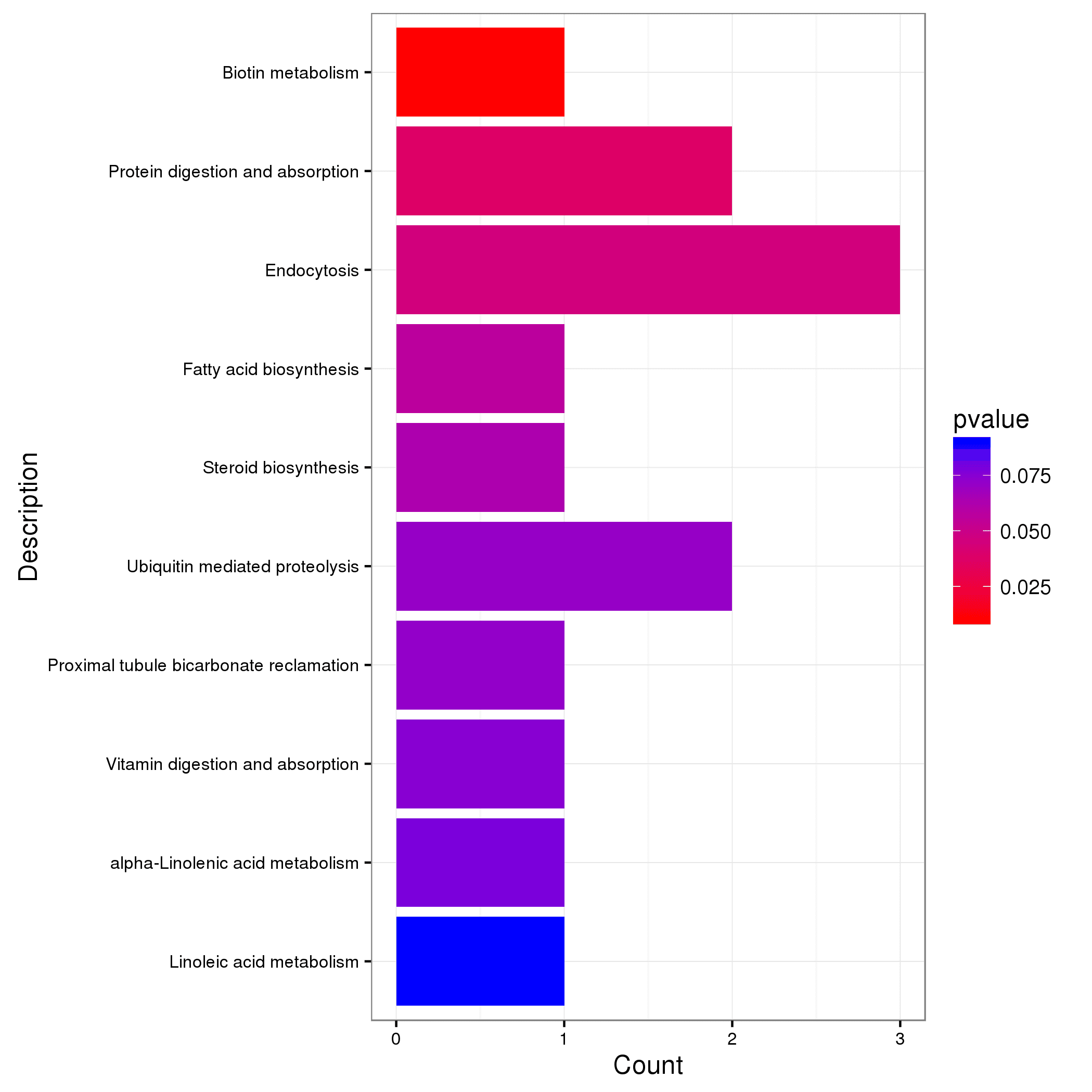
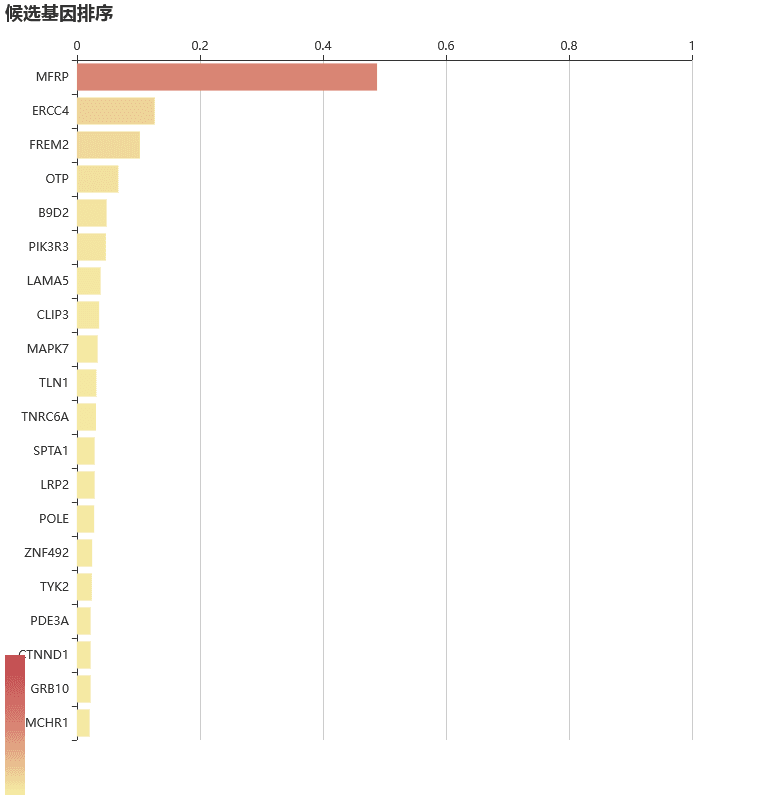
Phenolyzer Analysis

Using client-provided disease terms, Phenolyzer integrates sequencing data with multiple databases to rank genes by disease relevance, visualized through gene-phenotype correlation diagrams.

Image
Image
1/1
Mutational Spectrum & Signature Analysis

Based on somatic SNVs, this analysis quantifies substitution patterns (e.g., C>A/G>T) across tumor samples, providing insights into mutational processes driving cancer development.

Image
Image
1/1
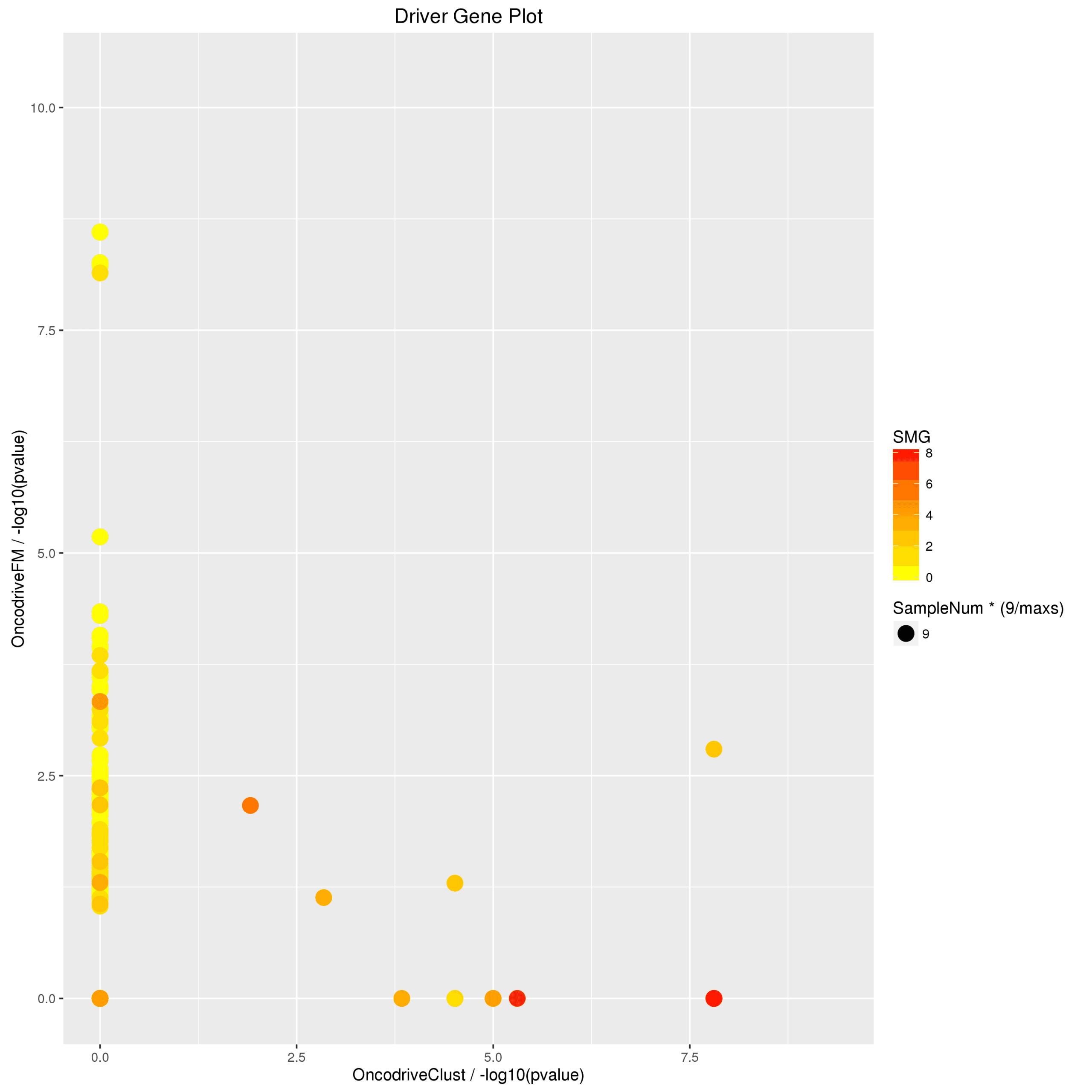
Oncodrive-Driven Gene Prediction

We integrate three approaches, significantly mutated genes (SMG), mutation clustering bias, and functional impact, to comprehensively predict cancer driver genes.

Demo Results

Image
Image
1/1
Phenolyzer Analysis

Using client-provided disease terms, Phenolyzer integrates sequencing data with multiple databases to rank genes by disease relevance, visualized through gene-phenotype correlation diagrams.

Image
Image
1/1
Mutational Spectrum & Signature Analysis

Based on somatic SNVs, this analysis quantifies substitution patterns (e.g., C>A/G>T) across tumor samples, providing insights into mutational processes driving cancer development.

Image
Image
1/1
Oncodrive-Driven Gene Prediction

We integrate three approaches, significantly mutated genes (SMG), mutation clustering bias, and functional impact, to comprehensively predict cancer driver genes.

Image
Image
1/1
Phenolyzer Analysis

Using client-provided disease terms, Phenolyzer integrates sequencing data with multiple databases to rank genes by disease relevance, visualized through gene-phenotype correlation diagrams.

Image
Image
1/1
Mutational Spectrum & Signature Analysis

Based on somatic SNVs, this analysis quantifies substitution patterns (e.g., C>A/G>T) across tumor samples, providing insights into mutational processes driving cancer development.

Image
Image
1/1
Oncodrive-Driven Gene Prediction

We integrate three approaches, significantly mutated genes (SMG), mutation clustering bias, and functional impact, to comprehensively predict cancer driver genes.

More Services

Human Whole Genome Sequencing
(Human Whole Genome Sequencing)
Human Whole Genome Sequencing
(Human Whole Genome Sequencing)
mRNA Sequencing
(mRNA Sequencing)
mRNA Sequencing
(mRNA Sequencing)
Whole Transcriptome Sequencing
(Whole Transcriptome Sequencing)
Whole Transcriptome Sequencing
(Whole Transcriptome Sequencing)
Untargeted Metabolomics
(Untargeted Metabolomics)
Untargeted Metabolomics
(Untargeted Metabolomics)

More Services

Human Whole Genome Sequencing
(Human Whole Genome Sequencing)
Human Whole Genome Sequencing
(Human Whole Genome Sequencing)
mRNA Sequencing
(mRNA Sequencing)
mRNA Sequencing
(mRNA Sequencing)
Whole Transcriptome Sequencing
(Whole Transcriptome Sequencing)
Whole Transcriptome Sequencing
(Whole Transcriptome Sequencing)
Untargeted Metabolomics
(Untargeted Metabolomics)
Untargeted Metabolomics
(Untargeted Metabolomics)
Background
Background

Ready to Start Your Project?

Our platform offers tailored solutions for

your unique experimental needs, ensuring a seamless experience from project design to data delivery.


Privacy PolicyCookie PolicyCareers
banner laptop bg
banner mobile bg

Whole Exome Sequencing

Comprehensive profiling of coding regions to identify genetic variants associated with disease research and molecular discovery.
Request a Quote
(Whole Exome Sequencing)
Request a Quote
(Whole Exome Sequencing)
OverviewOverview
BenefitsBenefits
ApplicationsApplications
SpecificationsSpecifications
ResourcesResources

Whole exome sequencing (WES) uses next-generation sequencing (NGS) to target the protein-coding regions of the genome, known as the exome. Although the exome represents only 1-2% of the human genome, it contains about 85% of known mutations linked to Mendelian disorders, making WES a cost-effective alternative to whole genome sequencing (WGS). By focusing on these critical regions, WES delivers deep coverage to identify germline and somatic mutations, supporting diverse research areas including genetic disorders, complex diseases, cancer, and population genetics.


Novogene offers extensive experience in whole exome sequencing with a range of commercial WES panels. Our service provides high-quality data and comprehensive bioinformatics analysis, complete with variant annotation and publication-ready figures.

Why Choose Novogene for WES?

Extensive WES Expertise

Deep experience in human and mouse whole exome sequencing, supporting major commercial panels including IDT, Agilent, Twist, and Agilent SureSelectXT Mouse Exon kits.

Extensive WES Expertise

Deep experience in human and mouse whole exome sequencing, supporting major commercial panels including IDT, Agilent, Twist, and Agilent SureSelectXT Mouse Exon kits.

High-Quality, Reliable Sequencing Data

Industry-standard data quality with Q30 ≥ 85%, exceptional target region coverage, and optimized sequencing depth for sensitive mutation detection.

High-Quality, Reliable Sequencing Data

Industry-standard data quality with Q30 ≥ 85%, exceptional target region coverage, and optimized sequencing depth for sensitive mutation detection.

Advanced Bioinformatics & Publication-Ready Results

Comprehensive SNV, InDel, and CNV analyses delivered with ready-to-publish figures, powered by internationally recognized software and curated databases.

Advanced Bioinformatics & Publication-Ready Results

Comprehensive SNV, InDel, and CNV analyses delivered with ready-to-publish figures, powered by internationally recognized software and curated databases.

Fast Turnaround
Fast Turnaround

Localized support and optimized workflows ensure rapid, reliable project delivery with consistently high data quality.

Fast Turnaround
Fast Turnaround

Localized support and optimized workflows ensure rapid, reliable project delivery with consistently high data quality.

Multi-Omics Integration Capability

Seamless integration with whole genome, transcriptome, and epigenome platforms provides deeper biological and functional insights.

Multi-Omics Integration Capability

Seamless integration with whole genome, transcriptome, and epigenome platforms provides deeper biological and functional insights.

Why Choose Novogene for WES?

Extensive WES Expertise

Deep experience in human and mouse whole exome sequencing, supporting major commercial panels including IDT, Agilent, Twist, and Agilent SureSelectXT Mouse Exon kits.

Extensive WES Expertise

Deep experience in human and mouse whole exome sequencing, supporting major commercial panels including IDT, Agilent, Twist, and Agilent SureSelectXT Mouse Exon kits.

High-Quality, Reliable Sequencing Data

Industry-standard data quality with Q30 ≥ 85%, exceptional target region coverage, and optimized sequencing depth for sensitive mutation detection.

High-Quality, Reliable Sequencing Data

Industry-standard data quality with Q30 ≥ 85%, exceptional target region coverage, and optimized sequencing depth for sensitive mutation detection.

Advanced Bioinformatics & Publication-Ready Results

Comprehensive SNV, InDel, and CNV analyses delivered with ready-to-publish figures, powered by internationally recognized software and curated databases.

Advanced Bioinformatics & Publication-Ready Results

Comprehensive SNV, InDel, and CNV analyses delivered with ready-to-publish figures, powered by internationally recognized software and curated databases.

Fast Turnaround
Fast Turnaround

Localized support and optimized workflows ensure rapid, reliable project delivery with consistently high data quality.

Fast Turnaround
Fast Turnaround

Localized support and optimized workflows ensure rapid, reliable project delivery with consistently high data quality.

Multi-Omics Integration Capability

Seamless integration with whole genome, transcriptome, and epigenome platforms provides deeper biological and functional insights.

Multi-Omics Integration Capability

Seamless integration with whole genome, transcriptome, and epigenome platforms provides deeper biological and functional insights.

Applications of WES

Unlock targeted insights into the protein-coding regions of the genome for genetic disease research, cancer studies, and evolutionary analysis.

Genomic Variant Analysis in Cancer and Disease:

Enable accurate identification of exon-based genomic variants to support both research and diagnostic applications.

Genomic Variant Analysis in Cancer and Disease:

Enable accurate identification of exon-based genomic variants to support both research and diagnostic applications.

Pathogenic Mechanism Analysis:

Facilitate molecular characterization of disease-related mechanisms to advance understanding of complex pathologies.

Pathogenic Mechanism Analysis:

Facilitate molecular characterization of disease-related mechanisms to advance understanding of complex pathologies.

Evolutionary Biology:

Obtain efficient exon-level data to investigate evolutionary patterns and assess genetic diversity across populations.

Evolutionary Biology:

Obtain efficient exon-level data to investigate evolutionary patterns and assess genetic diversity across populations.

Mouse Model Disease & Drug Research:

Support mutation discovery for disease modeling and accelerate drug development in preclinical cancer studies.

Mouse Model Disease & Drug Research:

Support mutation discovery for disease modeling and accelerate drug development in preclinical cancer studies.

Applications of WES

Unlock targeted insights into the protein-coding regions of the genome for genetic disease research, cancer studies, and evolutionary analysis.

Genomic Variant Analysis in Cancer and Disease:

Enable accurate identification of exon-based genomic variants to support both research and diagnostic applications.

Genomic Variant Analysis in Cancer and Disease:

Enable accurate identification of exon-based genomic variants to support both research and diagnostic applications.

Pathogenic Mechanism Analysis:

Facilitate molecular characterization of disease-related mechanisms to advance understanding of complex pathologies.

Pathogenic Mechanism Analysis:

Facilitate molecular characterization of disease-related mechanisms to advance understanding of complex pathologies.

Evolutionary Biology:

Obtain efficient exon-level data to investigate evolutionary patterns and assess genetic diversity across populations.

Evolutionary Biology:

Obtain efficient exon-level data to investigate evolutionary patterns and assess genetic diversity across populations.

Mouse Model Disease & Drug Research:

Support mutation discovery for disease modeling and accelerate drug development in preclinical cancer studies.

Mouse Model Disease & Drug Research:

Support mutation discovery for disease modeling and accelerate drug development in preclinical cancer studies.

Specifications

Sample Requirements

Sample amounts are listed for reference only. Download the Sample Requirements to learn more. For detailed information, please contact us with your customized requests.

Library TypeSample TypeAmount(Qubit@)VolumeConcentrationPurity
Human WES LibraryGenomic DNA

FFPE DNA

cfDNA/ctDNA
≥ 300ng

≥ 400ng

≥ 40 ng
≥ 20ul

≥ 20ul

≥ 20ul
≥ 15ng/uL

≥ 15ng/uL

≥1 ng/μL
OD260/280 = 1.8-2.0;
no degradation,
no contamination
Main peak above 3000 bp
Fragments longer than 1000 bp
Fragments of 170 bp or its multiples, no genomic DNA contamination
Mouse WES libraryGenomic DNA≥ 300ng≥ 20ul≥1 ng/μLOD260/280 = 1.8-2.0;
no degradation,
no contamination

Sample Requirements

Sample amounts are listed for reference only. Download the Sample Requirements to learn more. For detailed information, please contact us with your customized requests.

Library TypeSample TypeAmount(Qubit@)VolumeConcentrationPurity
Human WES LibraryGenomic DNA

FFPE DNA

cfDNA/ctDNA
≥ 300ng

≥ 400ng

≥ 40 ng
≥ 20ul

≥ 20ul

≥ 20ul
≥ 15ng/uL

≥ 15ng/uL

≥1 ng/μL
OD260/280 = 1.8-2.0;
no degradation,
no contamination
Main peak above 3000 bp
Fragments longer than 1000 bp
Fragments of 170 bp or its multiples, no genomic DNA contamination
Mouse WES libraryGenomic DNA≥ 300ng≥ 20ul≥1 ng/μLOD260/280 = 1.8-2.0;
no degradation,
no contamination

Sample Requirements

Sample amounts are listed for reference only. Download the Sample Requirements to learn more. For detailed information, please contact us with your customized requests.

Library TypeSample TypeAmount(Qubit@)VolumeConcentrationPurity
Human WES LibraryGenomic DNA

FFPE DNA

cfDNA/ctDNA
≥ 300ng

≥ 400ng

≥ 40 ng
≥ 20ul

≥ 20ul

≥ 20ul
≥ 15ng/uL

≥ 15ng/uL

≥1 ng/μL
OD260/280 = 1.8-2.0;
no degradation,
no contamination
Main peak above 3000 bp
Fragments longer than 1000 bp
Fragments of 170 bp or its multiples, no genomic DNA contamination
Mouse WES libraryGenomic DNA≥ 300ng≥ 20ul≥1 ng/μLOD260/280 = 1.8-2.0;
no degradation,
no contamination

Sample Requirements

Sample amounts are listed for reference only. Download the Sample Requirements to learn more. For detailed information, please contact us with your customized requests.

Library TypeSample TypeAmount(Qubit@)VolumeConcentrationPurity
Human WES LibraryGenomic DNA

FFPE DNA

cfDNA/ctDNA
≥ 300ng

≥ 400ng

≥ 40 ng
≥ 20ul

≥ 20ul

≥ 20ul
≥ 15ng/uL

≥ 15ng/uL

≥1 ng/μL
OD260/280 = 1.8-2.0;
no degradation,
no contamination
Main peak above 3000 bp
Fragments longer than 1000 bp
Fragments of 170 bp or its multiples, no genomic DNA contamination
Mouse WES libraryGenomic DNA≥ 300ng≥ 20ul≥1 ng/μLOD260/280 = 1.8-2.0;
no degradation,
no contamination

Sequencing and Analysis

Recommended data outputs and analysis contents displayed are for reference only. For detailed information, please contact us with your customized requests.

Platform TypeIllumina NovaSeq Platforms
Read LengthPaired-end 150 bp
Sequencing DepthFor Mendelian disorder/rare disease: effective sequencing depth above 50×

For tumor sample: effective sequencing depth above 100×
Standard Data AnalysisData Quality Control
Alignment with Reference Genome
Germline SNP and InDel calling, annotation, and statistics
Somatic Variant Detection (only apply for tumor-normal paired samples)
-SNP, InDel, CNV calling, annotation and statistics.

Project Workflow

Novogene’s Whole Exome Sequencing (WES) workflow begins with sample quality control to ensure DNA integrity and purity meet sequencing requirements. High‑quality samples then proceed to exome capture and library preparation, followed by library QC to confirm enrichment efficiency and fragment distribution.


Sequencing is performed using a paired‑end 150 bp (PE150) strategy on the Illumina platform to achieve the required depth for confident germline and somatic variant detection. After sequencing, raw reads undergo rigorous data quality control, alignment, and variant calling for SNPs, InDels, CNVs, and somatic variants (for tumor–normal pairs). Finally, Novogene’s bioinformatics pipeline delivers fully annotated variants and publication‑ready results.

Project Workflow

Sequencing and Analysis

Recommended data outputs and analysis contents displayed are for reference only. For detailed information, please contact us with your customized requests.

Platform TypeIllumina NovaSeq Platforms
Read LengthPaired-end 150 bp
Sequencing DepthFor Mendelian disorder/rare disease: effective sequencing depth above 50×

For tumor sample: effective sequencing depth above 100×
Standard Data AnalysisData Quality Control
Alignment with Reference Genome
Germline SNP and InDel calling, annotation, and statistics
Somatic Variant Detection (only apply for tumor-normal paired samples)
-SNP, InDel, CNV calling, annotation and statistics.

Project Workflow

Novogene’s Whole Exome Sequencing (WES) workflow begins with sample quality control to ensure DNA integrity and purity meet sequencing requirements. High‑quality samples then proceed to exome capture and library preparation, followed by library QC to confirm enrichment efficiency and fragment distribution.


Sequencing is performed using a paired‑end 150 bp (PE150) strategy on the Illumina platform to achieve the required depth for confident germline and somatic variant detection. After sequencing, raw reads undergo rigorous data quality control, alignment, and variant calling for SNPs, InDels, CNVs, and somatic variants (for tumor–normal pairs). Finally, Novogene’s bioinformatics pipeline delivers fully annotated variants and publication‑ready results.

Project Workflow

Sequencing and Analysis

Recommended data outputs and analysis contents displayed are for reference only. For detailed information, please contact us with your customized requests.

Platform TypeIllumina NovaSeq Platforms
Read LengthPaired-end 150 bp
Sequencing DepthFor Mendelian disorder/rare disease: effective sequencing depth above 50×

For tumor sample: effective sequencing depth above 100×
Standard Data AnalysisData Quality Control
Alignment with Reference Genome
Germline SNP and InDel calling, annotation, and statistics
Somatic Variant Detection (only apply for tumor-normal paired samples)
-SNP, InDel, CNV calling, annotation and statistics.

Project Workflow

Novogene’s Whole Exome Sequencing (WES) workflow begins with sample quality control to ensure DNA integrity and purity meet sequencing requirements. High‑quality samples then proceed to exome capture and library preparation, followed by library QC to confirm enrichment efficiency and fragment distribution.


Sequencing is performed using a paired‑end 150 bp (PE150) strategy on the Illumina platform to achieve the required depth for confident germline and somatic variant detection. After sequencing, raw reads undergo rigorous data quality control, alignment, and variant calling for SNPs, InDels, CNVs, and somatic variants (for tumor–normal pairs). Finally, Novogene’s bioinformatics pipeline delivers fully annotated variants and publication‑ready results.

Project Workflow

Sequencing and Analysis

Recommended data outputs and analysis contents displayed are for reference only. For detailed information, please contact us with your customized requests.

Platform TypeIllumina NovaSeq Platforms
Read LengthPaired-end 150 bp
Sequencing DepthFor Mendelian disorder/rare disease: effective sequencing depth above 50×

For tumor sample: effective sequencing depth above 100×
Standard Data AnalysisData Quality Control
Alignment with Reference Genome
Germline SNP and InDel calling, annotation, and statistics
Somatic Variant Detection (only apply for tumor-normal paired samples)
-SNP, InDel, CNV calling, annotation and statistics.

Project Workflow

Novogene’s Whole Exome Sequencing (WES) workflow begins with sample quality control to ensure DNA integrity and purity meet sequencing requirements. High‑quality samples then proceed to exome capture and library preparation, followed by library QC to confirm enrichment efficiency and fragment distribution.


Sequencing is performed using a paired‑end 150 bp (PE150) strategy on the Illumina platform to achieve the required depth for confident germline and somatic variant detection. After sequencing, raw reads undergo rigorous data quality control, alignment, and variant calling for SNPs, InDels, CNVs, and somatic variants (for tumor–normal pairs). Finally, Novogene’s bioinformatics pipeline delivers fully annotated variants and publication‑ready results.

Project Workflow

Specifications

Sample Requirements

Sample amounts are listed for reference only. Download the Sample Requirements to learn more. For detailed information, please contact us with your customized requests.

Library TypeSample TypeAmount(Qubit@)VolumeConcentrationPurity
Human WES LibraryGenomic DNA

FFPE DNA

cfDNA/ctDNA
≥ 300ng

≥ 400ng

≥ 40 ng
≥ 20ul

≥ 20ul

≥ 20ul
≥ 15ng/uL

≥ 15ng/uL

≥1 ng/μL
OD260/280 = 1.8-2.0;
no degradation,
no contamination
Main peak above 3000 bp
Fragments longer than 1000 bp
Fragments of 170 bp or its multiples, no genomic DNA contamination
Mouse WES libraryGenomic DNA≥ 300ng≥ 20ul≥1 ng/μLOD260/280 = 1.8-2.0;
no degradation,
no contamination

Sample Requirements

Sample amounts are listed for reference only. Download the Sample Requirements to learn more. For detailed information, please contact us with your customized requests.

Library TypeSample TypeAmount(Qubit@)VolumeConcentrationPurity
Human WES LibraryGenomic DNA

FFPE DNA

cfDNA/ctDNA
≥ 300ng

≥ 400ng

≥ 40 ng
≥ 20ul

≥ 20ul

≥ 20ul
≥ 15ng/uL

≥ 15ng/uL

≥1 ng/μL
OD260/280 = 1.8-2.0;
no degradation,
no contamination
Main peak above 3000 bp
Fragments longer than 1000 bp
Fragments of 170 bp or its multiples, no genomic DNA contamination
Mouse WES libraryGenomic DNA≥ 300ng≥ 20ul≥1 ng/μLOD260/280 = 1.8-2.0;
no degradation,
no contamination

Sample Requirements

Sample amounts are listed for reference only. Download the Sample Requirements to learn more. For detailed information, please contact us with your customized requests.

Library TypeSample TypeAmount(Qubit@)VolumeConcentrationPurity
Human WES LibraryGenomic DNA

FFPE DNA

cfDNA/ctDNA
≥ 300ng

≥ 400ng

≥ 40 ng
≥ 20ul

≥ 20ul

≥ 20ul
≥ 15ng/uL

≥ 15ng/uL

≥1 ng/μL
OD260/280 = 1.8-2.0;
no degradation,
no contamination
Main peak above 3000 bp
Fragments longer than 1000 bp
Fragments of 170 bp or its multiples, no genomic DNA contamination
Mouse WES libraryGenomic DNA≥ 300ng≥ 20ul≥1 ng/μLOD260/280 = 1.8-2.0;
no degradation,
no contamination

Sample Requirements

Sample amounts are listed for reference only. Download the Sample Requirements to learn more. For detailed information, please contact us with your customized requests.

Library TypeSample TypeAmount(Qubit@)VolumeConcentrationPurity
Human WES LibraryGenomic DNA

FFPE DNA

cfDNA/ctDNA
≥ 300ng

≥ 400ng

≥ 40 ng
≥ 20ul

≥ 20ul

≥ 20ul
≥ 15ng/uL

≥ 15ng/uL

≥1 ng/μL
OD260/280 = 1.8-2.0;
no degradation,
no contamination
Main peak above 3000 bp
Fragments longer than 1000 bp
Fragments of 170 bp or its multiples, no genomic DNA contamination
Mouse WES libraryGenomic DNA≥ 300ng≥ 20ul≥1 ng/μLOD260/280 = 1.8-2.0;
no degradation,
no contamination

Sequencing and Analysis

Recommended data outputs and analysis contents displayed are for reference only. For detailed information, please contact us with your customized requests.

Platform TypeIllumina NovaSeq Platforms
Read LengthPaired-end 150 bp
Sequencing DepthFor Mendelian disorder/rare disease: effective sequencing depth above 50×

For tumor sample: effective sequencing depth above 100×
Standard Data AnalysisData Quality Control
Alignment with Reference Genome
Germline SNP and InDel calling, annotation, and statistics
Somatic Variant Detection (only apply for tumor-normal paired samples)
-SNP, InDel, CNV calling, annotation and statistics.

Project Workflow

Novogene’s Whole Exome Sequencing (WES) workflow begins with sample quality control to ensure DNA integrity and purity meet sequencing requirements. High‑quality samples then proceed to exome capture and library preparation, followed by library QC to confirm enrichment efficiency and fragment distribution.


Sequencing is performed using a paired‑end 150 bp (PE150) strategy on the Illumina platform to achieve the required depth for confident germline and somatic variant detection. After sequencing, raw reads undergo rigorous data quality control, alignment, and variant calling for SNPs, InDels, CNVs, and somatic variants (for tumor–normal pairs). Finally, Novogene’s bioinformatics pipeline delivers fully annotated variants and publication‑ready results.

Project Workflow

Sequencing and Analysis

Recommended data outputs and analysis contents displayed are for reference only. For detailed information, please contact us with your customized requests.

Platform TypeIllumina NovaSeq Platforms
Read LengthPaired-end 150 bp
Sequencing DepthFor Mendelian disorder/rare disease: effective sequencing depth above 50×

For tumor sample: effective sequencing depth above 100×
Standard Data AnalysisData Quality Control
Alignment with Reference Genome
Germline SNP and InDel calling, annotation, and statistics
Somatic Variant Detection (only apply for tumor-normal paired samples)
-SNP, InDel, CNV calling, annotation and statistics.

Project Workflow

Novogene’s Whole Exome Sequencing (WES) workflow begins with sample quality control to ensure DNA integrity and purity meet sequencing requirements. High‑quality samples then proceed to exome capture and library preparation, followed by library QC to confirm enrichment efficiency and fragment distribution.


Sequencing is performed using a paired‑end 150 bp (PE150) strategy on the Illumina platform to achieve the required depth for confident germline and somatic variant detection. After sequencing, raw reads undergo rigorous data quality control, alignment, and variant calling for SNPs, InDels, CNVs, and somatic variants (for tumor–normal pairs). Finally, Novogene’s bioinformatics pipeline delivers fully annotated variants and publication‑ready results.

Project Workflow

Sequencing and Analysis

Recommended data outputs and analysis contents displayed are for reference only. For detailed information, please contact us with your customized requests.

Platform TypeIllumina NovaSeq Platforms
Read LengthPaired-end 150 bp
Sequencing DepthFor Mendelian disorder/rare disease: effective sequencing depth above 50×

For tumor sample: effective sequencing depth above 100×
Standard Data AnalysisData Quality Control
Alignment with Reference Genome
Germline SNP and InDel calling, annotation, and statistics
Somatic Variant Detection (only apply for tumor-normal paired samples)
-SNP, InDel, CNV calling, annotation and statistics.

Project Workflow

Novogene’s Whole Exome Sequencing (WES) workflow begins with sample quality control to ensure DNA integrity and purity meet sequencing requirements. High‑quality samples then proceed to exome capture and library preparation, followed by library QC to confirm enrichment efficiency and fragment distribution.


Sequencing is performed using a paired‑end 150 bp (PE150) strategy on the Illumina platform to achieve the required depth for confident germline and somatic variant detection. After sequencing, raw reads undergo rigorous data quality control, alignment, and variant calling for SNPs, InDels, CNVs, and somatic variants (for tumor–normal pairs). Finally, Novogene’s bioinformatics pipeline delivers fully annotated variants and publication‑ready results.

Project Workflow

Sequencing and Analysis

Recommended data outputs and analysis contents displayed are for reference only. For detailed information, please contact us with your customized requests.

Platform TypeIllumina NovaSeq Platforms
Read LengthPaired-end 150 bp
Sequencing DepthFor Mendelian disorder/rare disease: effective sequencing depth above 50×

For tumor sample: effective sequencing depth above 100×
Standard Data AnalysisData Quality Control
Alignment with Reference Genome
Germline SNP and InDel calling, annotation, and statistics
Somatic Variant Detection (only apply for tumor-normal paired samples)
-SNP, InDel, CNV calling, annotation and statistics.

Project Workflow

Novogene’s Whole Exome Sequencing (WES) workflow begins with sample quality control to ensure DNA integrity and purity meet sequencing requirements. High‑quality samples then proceed to exome capture and library preparation, followed by library QC to confirm enrichment efficiency and fragment distribution.


Sequencing is performed using a paired‑end 150 bp (PE150) strategy on the Illumina platform to achieve the required depth for confident germline and somatic variant detection. After sequencing, raw reads undergo rigorous data quality control, alignment, and variant calling for SNPs, InDels, CNVs, and somatic variants (for tumor–normal pairs). Finally, Novogene’s bioinformatics pipeline delivers fully annotated variants and publication‑ready results.

Project Workflow

Demo Results

Image
Image
1/1
Phenolyzer Analysis

Using client-provided disease terms, Phenolyzer integrates sequencing data with multiple databases to rank genes by disease relevance, visualized through gene-phenotype correlation diagrams.

Image
Image
1/1
Mutational Spectrum & Signature Analysis

Based on somatic SNVs, this analysis quantifies substitution patterns (e.g., C>A/G>T) across tumor samples, providing insights into mutational processes driving cancer development.

Image
Image
1/1
Oncodrive-Driven Gene Prediction

We integrate three approaches, significantly mutated genes (SMG), mutation clustering bias, and functional impact, to comprehensively predict cancer driver genes.

Demo Results

Image
Image
1/1
Phenolyzer Analysis

Using client-provided disease terms, Phenolyzer integrates sequencing data with multiple databases to rank genes by disease relevance, visualized through gene-phenotype correlation diagrams.

Image
Image
1/1
Mutational Spectrum & Signature Analysis

Based on somatic SNVs, this analysis quantifies substitution patterns (e.g., C>A/G>T) across tumor samples, providing insights into mutational processes driving cancer development.

Image
Image
1/1
Oncodrive-Driven Gene Prediction

We integrate three approaches, significantly mutated genes (SMG), mutation clustering bias, and functional impact, to comprehensively predict cancer driver genes.

Image
Image
1/1
Phenolyzer Analysis

Using client-provided disease terms, Phenolyzer integrates sequencing data with multiple databases to rank genes by disease relevance, visualized through gene-phenotype correlation diagrams.

Image
Image
1/1
Mutational Spectrum & Signature Analysis

Based on somatic SNVs, this analysis quantifies substitution patterns (e.g., C>A/G>T) across tumor samples, providing insights into mutational processes driving cancer development.

Image
Image
1/1
Oncodrive-Driven Gene Prediction

We integrate three approaches, significantly mutated genes (SMG), mutation clustering bias, and functional impact, to comprehensively predict cancer driver genes.

More Services

Human Whole Genome Sequencing
(Human Whole Genome Sequencing)
Human Whole Genome Sequencing
(Human Whole Genome Sequencing)
mRNA Sequencing
(mRNA Sequencing)
mRNA Sequencing
(mRNA Sequencing)
Whole Transcriptome Sequencing
(Whole Transcriptome Sequencing)
Whole Transcriptome Sequencing
(Whole Transcriptome Sequencing)
Untargeted Metabolomics
(Untargeted Metabolomics)
Untargeted Metabolomics
(Untargeted Metabolomics)

More Services

Human Whole Genome Sequencing
(Human Whole Genome Sequencing)
Human Whole Genome Sequencing
(Human Whole Genome Sequencing)
mRNA Sequencing
(mRNA Sequencing)
mRNA Sequencing
(mRNA Sequencing)
Whole Transcriptome Sequencing
(Whole Transcriptome Sequencing)
Whole Transcriptome Sequencing
(Whole Transcriptome Sequencing)
Untargeted Metabolomics
(Untargeted Metabolomics)
Untargeted Metabolomics
(Untargeted Metabolomics)
Background
Background

Ready to Start Your Project?

Our platform offers tailored solutions for

your unique experimental needs, ensuring a seamless experience from project design to data delivery.


Privacy PolicyCookie PolicyCareers