

Olink Proteomics is designed for protein biomarker discovery in human biofluids, including plasma, serum, cerebrospinal fluid (CSF), urine and more. The platform combines exceptional sensitivity, specificity, and scalability to enable comprehensive protein analysis from minimal sample volumes.
Powered by Proximity Extension Assay (PEA) technology, Olink simultaneously targets thousands of proteins with high precision. Detected signals are quantified using next-generation sequencing (NGS), integrating the specificity of dual-antibody immunoassays with the scalability and accuracy of sequencing technology. This unique combination makes Olink an ideal solution for researchers studying complex biological systems, disease mechanisms, and therapeutic targets through advanced protein biomarker profiling.
Novogene supports end-to-end Olink® Proteomics and integrated multi-omics workflows. For a limited time, special pricing is available for eligible projects in participating countries. Explore current offers.

Dual-antibody PEA technology requires simultaneous binding of two antibodies to the same target protein, ensuring highly precise and reliable detection.
Industry-leading 10-log dynamic range (fg/mL to mg/mL), enabling comprehensive detection of high-, medium-, and low-abundance proteins in a single assay.
Profile up to 5,400+ proteins per sample for large-scale biomarker discovery.
Requires as little as 2–4 µL per sample matrix, making it ideal for precious or limited biobank samples.
Measures 5,400+ proteins, delivering high-resolution, proteome-wide discovery power for large-scale studies.
A cost-effective solution measuring 1,000+ proteins, optimized for in-depth inflammation profiling and immune mechanism research.

Global Olink CSP with validated workflows ensuring robust, high-quality proteomics data delivery

End-to-end bioinformatics support with advanced multi-omics integration and fully customized analysis solutions.

Dedicated project management ensuring efficient coordination and timely delivery from samples to reports
Unlock high-plex proteomics with Olink technology. Designed to support diverse research and translational objectives, Olink enables comprehensive protein biomarker discovery and clinical insight generation across multiple fields.
Identify disease-associated protein biomarkers and uncover distinct protein signatures to support precision medicine strategies and treatment response prediction.
Develop robust diagnostic and prognostic models by integrating proteomic data with genomic, transcriptomic, and clinical datasets for multi-omics insights.
Accelerate therapeutic innovation by identifying novel drug targets, discovering predictive and pharmacodynamic biomarkers, and gaining deeper insight into drug efficacy and mechanisms of action.
Sample amounts are listed for reference only. Download the Sample Requirements to learn more. For detailed information, please contact us with your customized requests.

1) Immuno reaction: Two matched antibodies labelled with unique DNA oligonucleotides simultaneously bind to a target protein in solution.
2) Extension: In close proximity, their DNA oligos hybridize and are extended by DNA polymerase, resulting in a DNA barcode unique for each protein.
3) Detection: This newly created DNA barcode is amplified by PCR and ready for readout by NGS
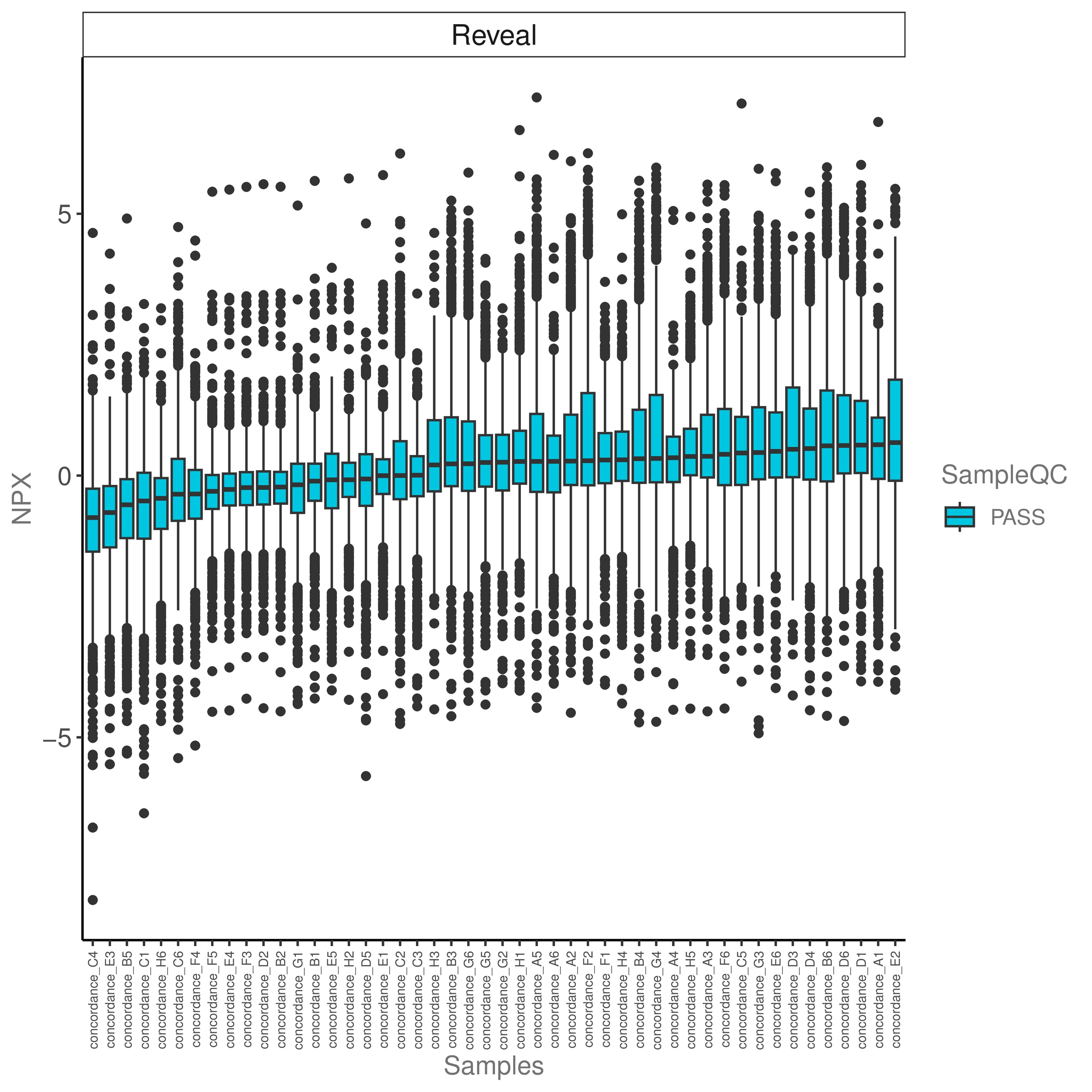
Convert raw sequencing counts into log2-scaled NPX (Normalized Protein eXpression) values to minimize technical variation between batches and plates, enabling accurate comparison of protein levels across samples in Olink assays.
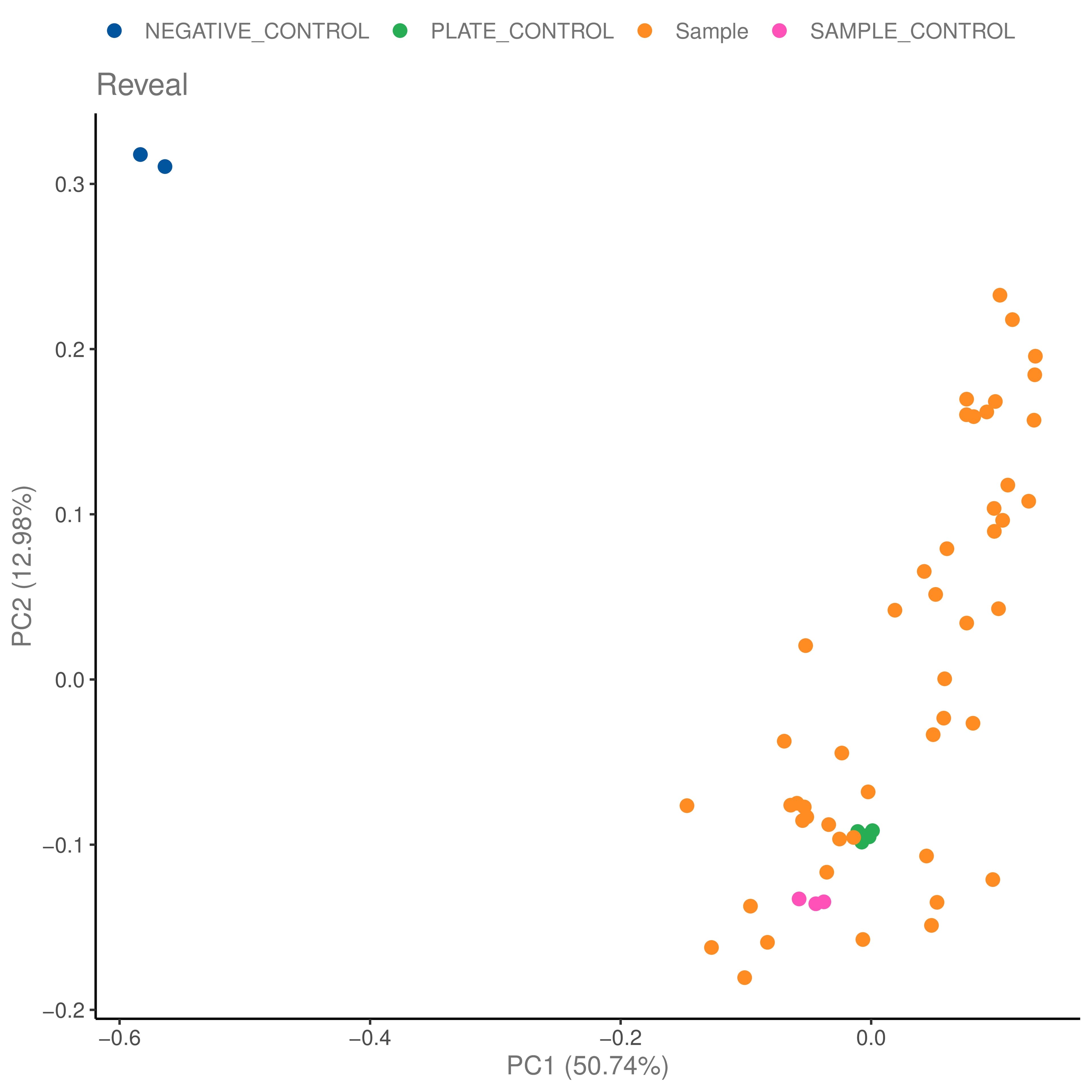
Visualize patterns using PCA plots, Pearson's correlation coefficient analysis, and heatmaps.
Explore overall protein expression and sample relationships.
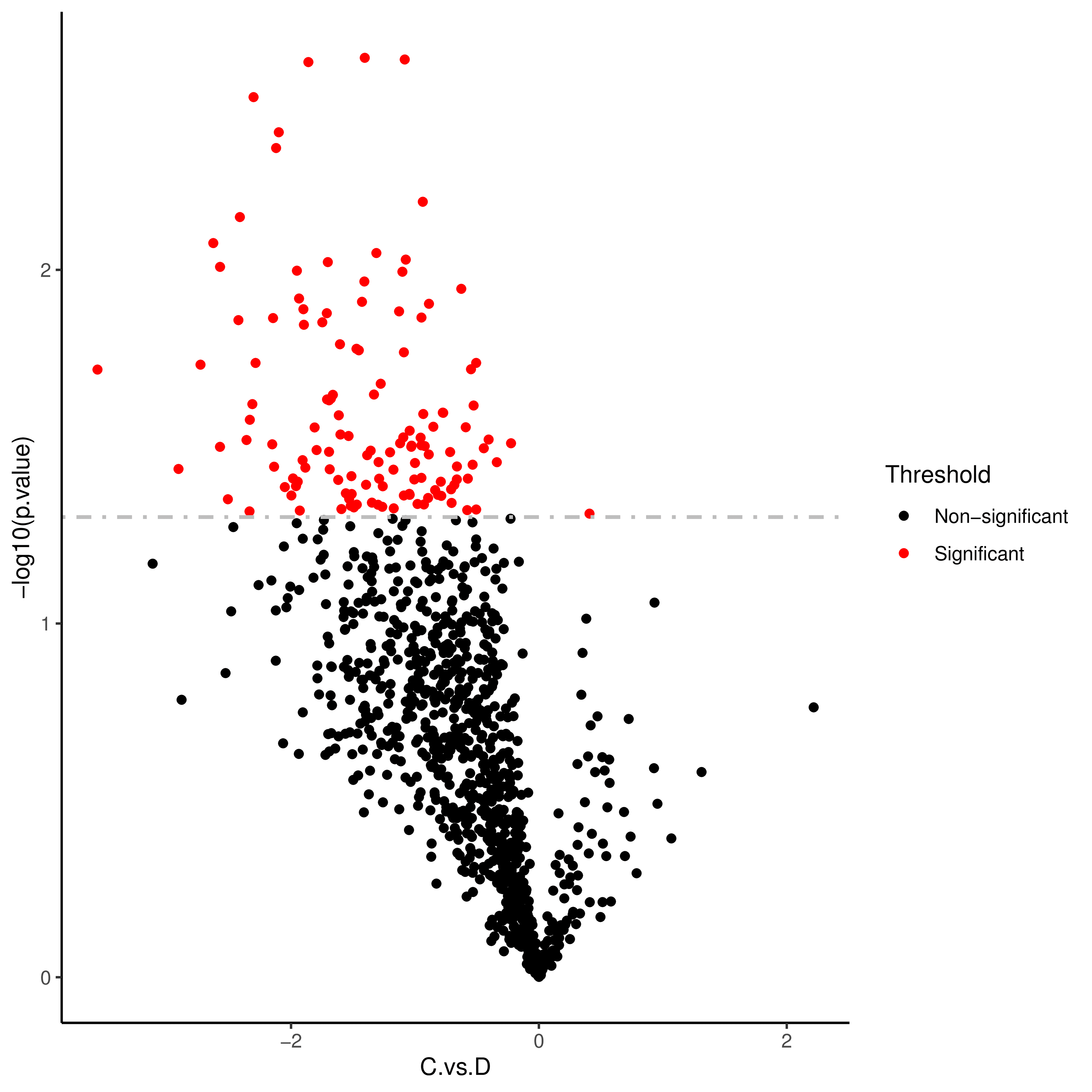
Identify DEPs with volcano plots and heatmaps.
Explore correlations via network diagrams and scatter plots.
Assess predictive value with random forest and ROC analysis.
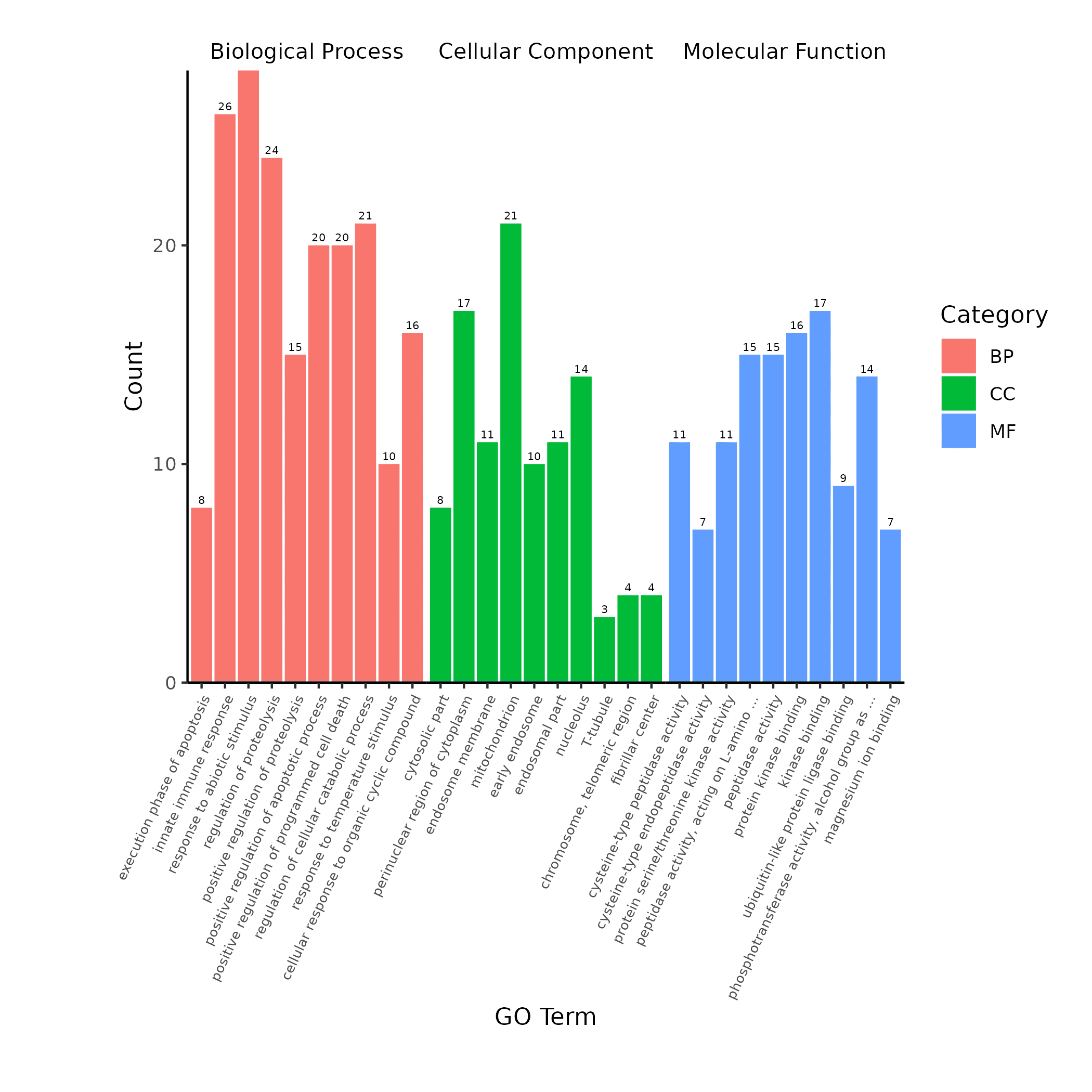
Perform GO, KEGG, Reactome, DO, and InterPro enrichment analyses.
Map protein-protein interactions using PPI networks to reveal biological relationships.
The system includes three types of internal controls (Incubation Controls, the Extension control, and the Detection control) added to each sample to monitor specific steps of the assay: immunoreaction, extension, and readout, and three types of external controls (Plate Controls, Sample Controls, and Negative Controls) for normalization and data QC steps.

Our platform offers tailored solutions for
your unique experimental needs, ensuring a seamless experience from project design to data delivery.
Olink Proteomics is designed for protein biomarker discovery in human biofluids, including plasma, serum, cerebrospinal fluid (CSF), urine and more. The platform combines exceptional sensitivity, specificity, and scalability to enable comprehensive protein analysis from minimal sample volumes.
Powered by Proximity Extension Assay (PEA) technology, Olink simultaneously targets thousands of proteins with high precision. Detected signals are quantified using next-generation sequencing (NGS), integrating the specificity of dual-antibody immunoassays with the scalability and accuracy of sequencing technology. This unique combination makes Olink an ideal solution for researchers studying complex biological systems, disease mechanisms, and therapeutic targets through advanced protein biomarker profiling.
Novogene supports end-to-end Olink® Proteomics and integrated multi-omics workflows. For a limited time, special pricing is available for eligible projects in participating countries. Explore current offers.
Dual-antibody PEA technology requires simultaneous binding of two antibodies to the same target protein, ensuring highly precise and reliable detection.
Industry-leading 10-log dynamic range (fg/mL to mg/mL), enabling comprehensive detection of high-, medium-, and low-abundance proteins in a single assay.
Profile up to 5,400+ proteins per sample for large-scale biomarker discovery.
Requires as little as 2–4 µL per sample matrix, making it ideal for precious or limited biobank samples.
Measures 5,400+ proteins, delivering high-resolution, proteome-wide discovery power for large-scale studies.
A cost-effective solution measuring 1,000+ proteins, optimized for in-depth inflammation profiling and immune mechanism research.
Global Olink CSP with validated workflows ensuring robust, high-quality proteomics data delivery
End-to-end bioinformatics support with advanced multi-omics integration and fully customized analysis solutions.
Dedicated project management ensuring efficient coordination and timely delivery from samples to reports
Unlock high-plex proteomics with Olink technology. Designed to support diverse research and translational objectives, Olink enables comprehensive protein biomarker discovery and clinical insight generation across multiple fields.
Identify disease-associated protein biomarkers and uncover distinct protein signatures to support precision medicine strategies and treatment response prediction.
Develop robust diagnostic and prognostic models by integrating proteomic data with genomic, transcriptomic, and clinical datasets for multi-omics insights.
Accelerate therapeutic innovation by identifying novel drug targets, discovering predictive and pharmacodynamic biomarkers, and gaining deeper insight into drug efficacy and mechanisms of action.
Sample amounts are listed for reference only. Download the Sample Requirements to learn more. For detailed information, please contact us with your customized requests.
1) Immuno reaction: Two matched antibodies labelled with unique DNA oligonucleotides simultaneously bind to a target protein in solution.
2) Extension: In close proximity, their DNA oligos hybridize and are extended by DNA polymerase, resulting in a DNA barcode unique for each protein.
3) Detection: This newly created DNA barcode is amplified by PCR and ready for readout by NGS
Convert raw sequencing counts into log2-scaled NPX (Normalized Protein eXpression) values to minimize technical variation between batches and plates, enabling accurate comparison of protein levels across samples in Olink assays.
Visualize patterns using PCA plots, Pearson's correlation coefficient analysis, and heatmaps.
Explore overall protein expression and sample relationships.
Identify DEPs with volcano plots and heatmaps.
Explore correlations via network diagrams and scatter plots.
Assess predictive value with random forest and ROC analysis.
Perform GO, KEGG, Reactome, DO, and InterPro enrichment analyses.
Map protein-protein interactions using PPI networks to reveal biological relationships.
The system includes three types of internal controls (Incubation Controls, the Extension control, and the Detection control) added to each sample to monitor specific steps of the assay: immunoreaction, extension, and readout, and three types of external controls (Plate Controls, Sample Controls, and Negative Controls) for normalization and data QC steps.
Our platform offers tailored solutions for
your unique experimental needs, ensuring a seamless experience from project design to data delivery.
