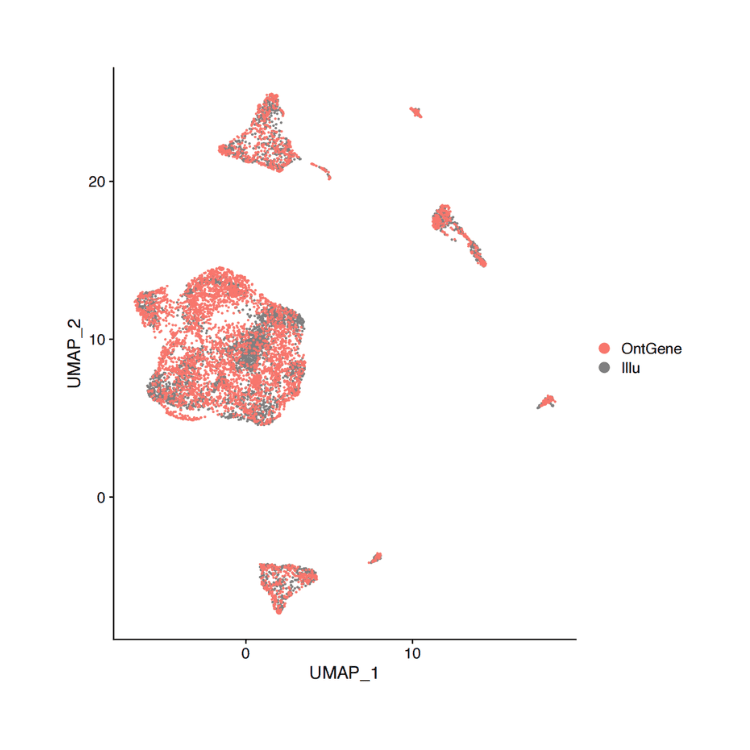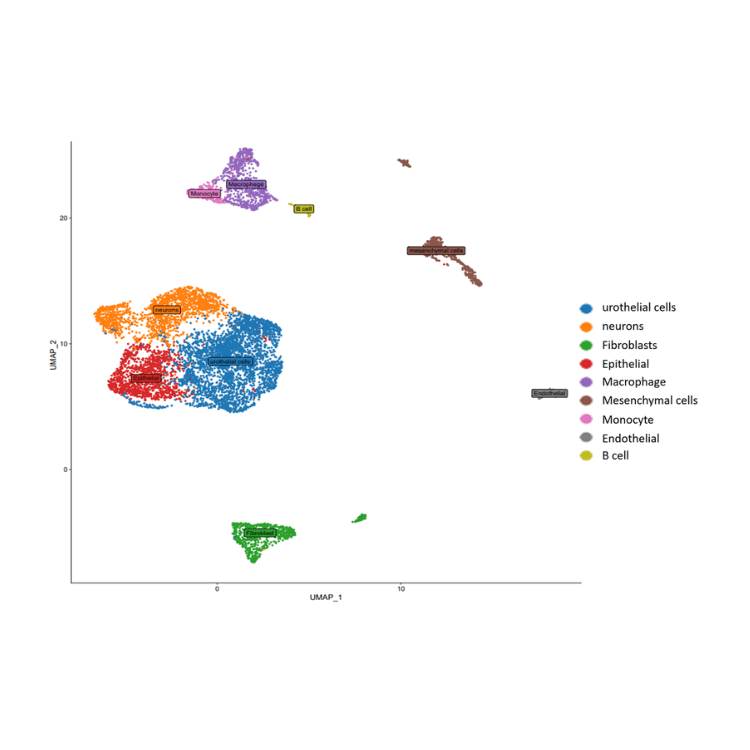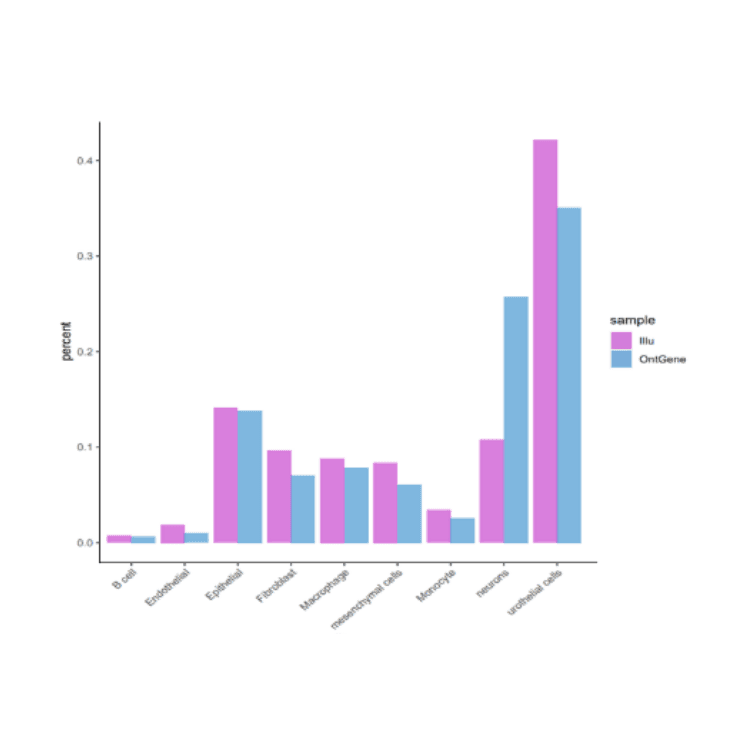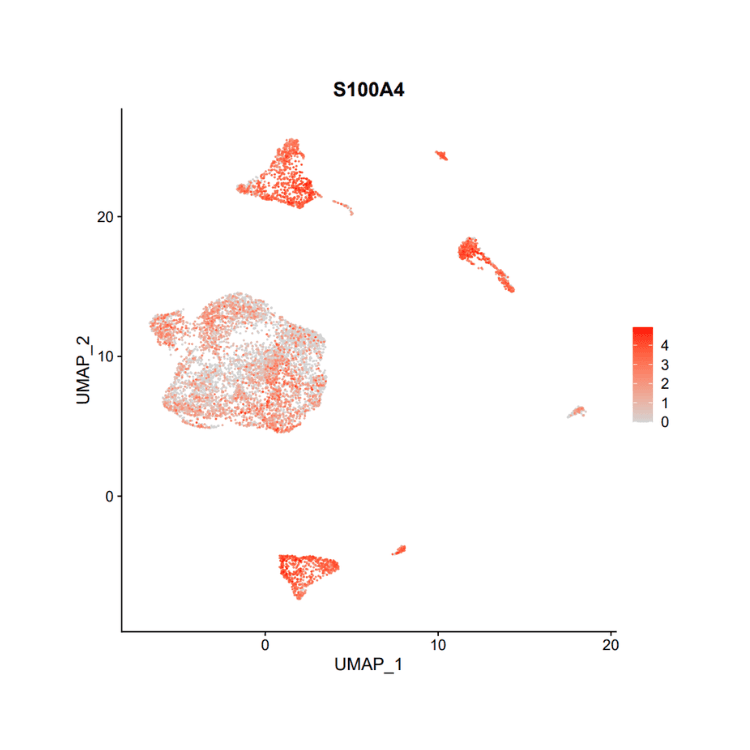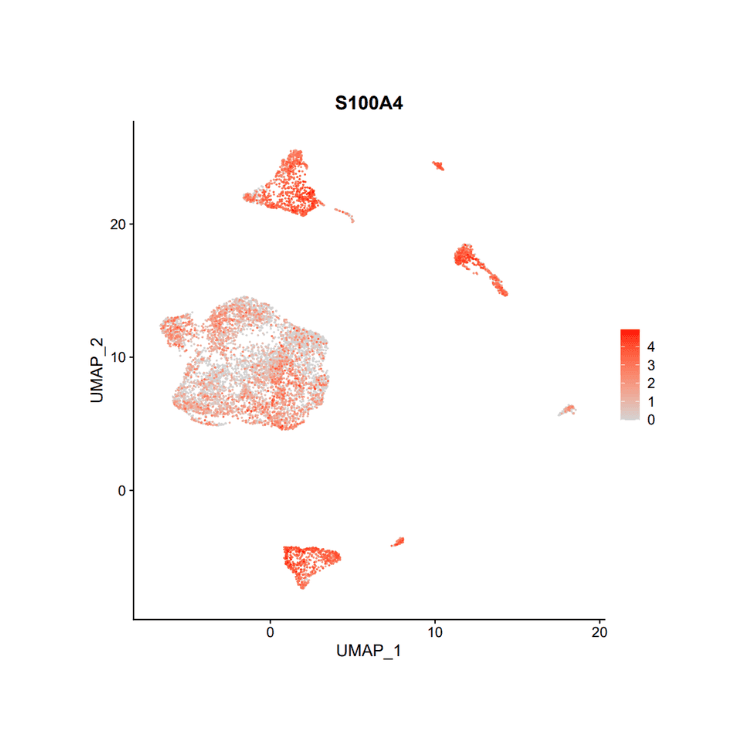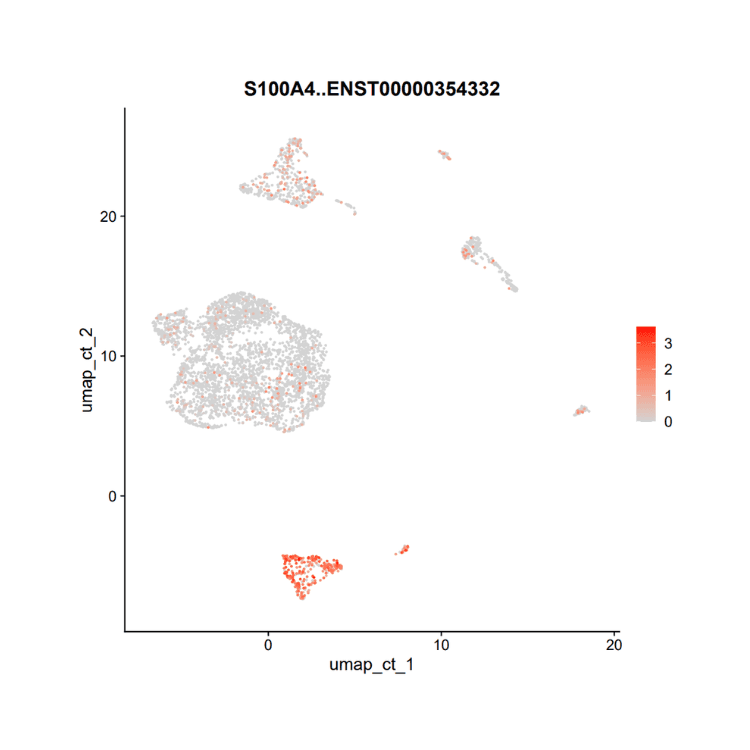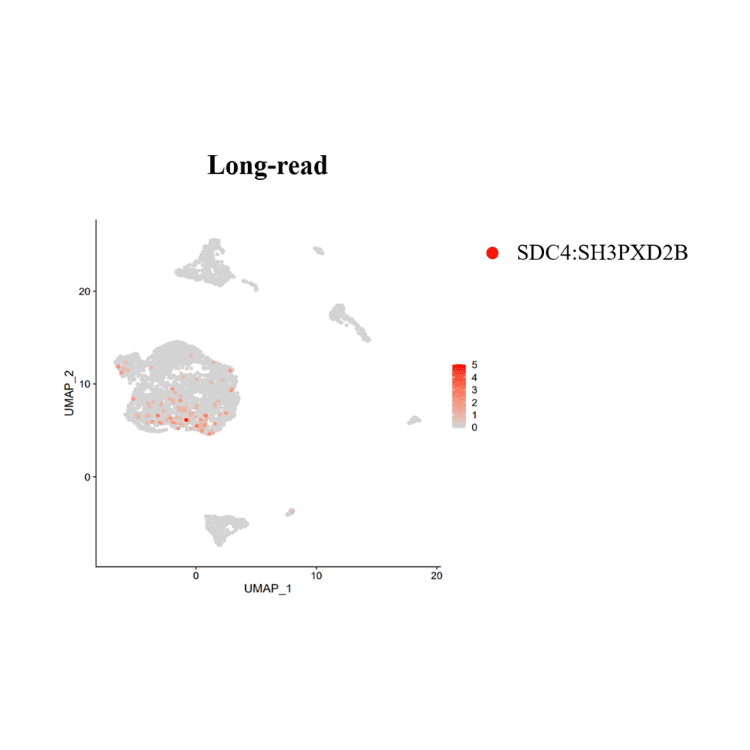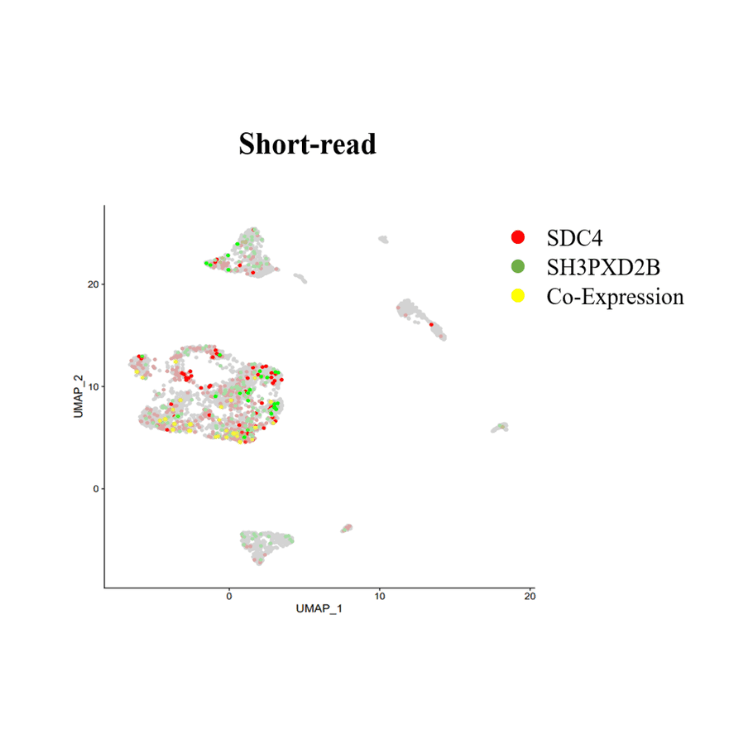


Single-cell sequencing has traditionally relied on short-read sequencing, which effectively provides insights into single-cell gene expression, but falls short in capturing information about alternative splicing, splicing regulation, transcriptomic complexity, and isoform diversity.
The incorporation of long-read sequencing into single-cell assays addresses this shortfall observed in traditional short-read sequencing methodologies. This integration offers insights into molecular mechanisms, enabling the identification of intricate structural variants, comprehensive exploration of whole transcript alternative splicing events, and the expression of cell-type-specific mRNA isoforms at the single-cell level.